



Safety Shoes Supplier in Jeddah: What Workers and Employers Should Know
Jeddah is one of Saudi Arabia's major commercial and industrial hubs, with extensive port operations, logistics facilities, manufacturing units and construction projects. Workers in these environments face different occupational hazards, including heavy materials, slippery floors, sharp objects and demanding working conditions.
Choosing appropriate safety shoes is essential for protecting employees while maintaining comfort during long working shifts. Whether you manage a warehouse, construction site, manufacturing facility or cargo-handling operation, understanding safety footwear specifications helps you make better purchasing decisions.
This guide explains how to select suitable safety shoes supplier in Jeddah, the different protection levels available and the important features employers should consider before purchasing industrial footwear.
Workplace Hazards That Require Safety Shoes in Jeddah
Different industries expose workers to different foot-related hazards. Identifying these risks is the first step towards selecting suitable protective footwear.
Port Operations and Cargo Handling
Jeddah's port and logistics operations involve loading, unloading, transporting and handling heavy materials. Workers may encounter falling objects, forklift traffic, sharp materials and heavy equipment.
Safety footwear with certified protective toe caps and suitable outsole grip can help protect against these hazards.
Warehouses and Distribution Centres
Warehouse employees spend considerable time walking, standing and operating around material-handling equipment.
Important footwear features include:
- Protective toe caps against falling objects.
- Slip-resistant outsoles for suitable floor conditions.
- Puncture-resistant midsoles where sharp objects are present.
- Cushioned insoles for extended working hours.
- Comfortable and properly fitted footwear.
Construction and Infrastructure Projects
Construction workers face hazards such as falling materials, nails, sharp debris, uneven surfaces and wet working areas.
Depending on the site risk assessment, S3-class footwear or other suitable certified protection levels may be required.
Manufacturing and Industrial Facilities
Manufacturing environments may involve machinery, chemicals, hot surfaces, oils and heavy materials.
Employers should select footwear according to the specific hazards, including appropriate chemical resistance, heat resistance, antistatic properties or other specialized protection where required.
Why Slip Resistance Matters in Industrial Safety Shoes
Slippery floors are a significant concern in warehouses, industrial facilities, workshops and cargo-handling environments.
Water, oil, cleaning liquids and other substances can reduce floor traction and increase the risk of workplace falls.
When selecting safety shoes, consider the following:
- Outsole design and tread pattern.
- Certified slip-resistance performance.
- Suitability for wet or oily floor conditions.
- Outsole material and durability.
- Compatibility with the workplace flooring.
Look for appropriate slip-resistance markings, such as SR under EN ISO 20345:2022, where applicable.
Remember that slip resistance depends on the footwear, floor surface and contaminant. No shoe guarantees complete protection against slipping.
Choosing Comfortable Safety Shoes for Hot and Humid Conditions
Workers in Jeddah may experience hot and humid conditions, particularly during outdoor operations and long shifts.
Heavy or poorly ventilated footwear can contribute to discomfort, sweating and fatigue.
Consider these features when choosing safety footwear:
Breathable Upper Materials
Breathable materials can improve ventilation and help manage moisture inside footwear.
Moisture-Wicking Inner Lining
Suitable lining materials help manage perspiration and improve comfort during extended working hours.
Lightweight Construction
Composite toe footwear may offer a lighter alternative to conventional steel toe designs, depending on the product.
Cushioned Insoles
Supportive insoles can improve comfort for workers who spend extended periods standing or walking.
Proper Shoe Fit
Correct sizing prevents unnecessary friction, pressure points and discomfort.
However, ventilation should never compromise the protection required for the workplace.
Understanding Safety Shoe Ratings and Standards
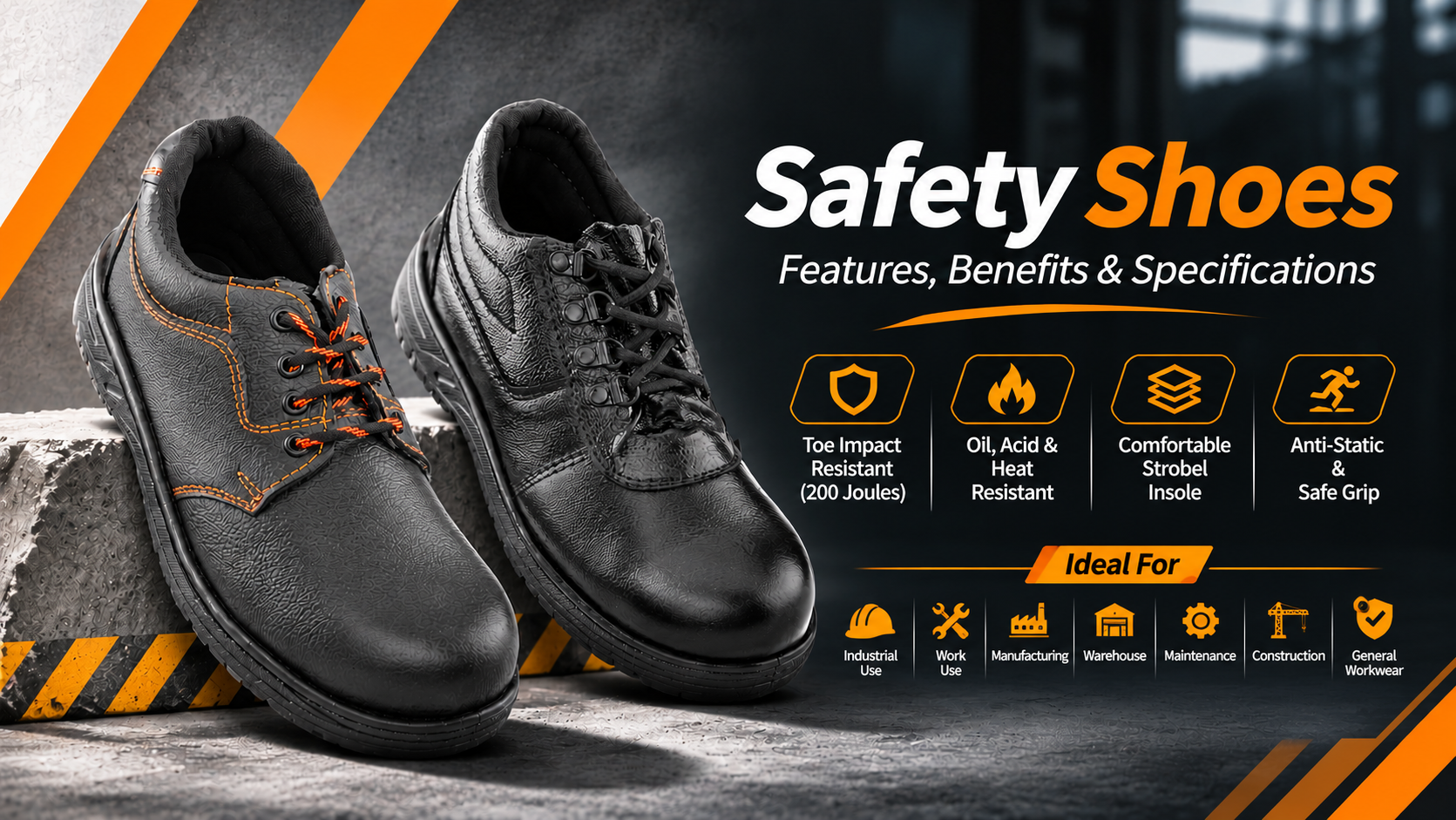
EN ISO 20345 is an internationally recognized standard for safety footwear. It specifies requirements for protective toe caps and other footwear performance characteristics.
Common classifications include:
- S1: Basic safety footwear requirements, including a protective toe cap, closed heel area, antistatic properties and energy absorption in the heel.
- S1P: S1 requirements with penetration-resistant protection.
- S1PL and S1PS: Updated classifications with different penetration-resistance test requirements.
- S2: S1 requirements with specified water penetration and absorption resistance of the upper.
- S3: S2 requirements with penetration-resistant protection and specified outsole properties.
- S3L and S3S: Updated classifications with different penetration-resistance test requirements.
Additional markings can include:
- SR: Additional slip-resistance performance.
- HRO: Resistance of the outsole to hot contact.
- ESD: Electrostatic discharge properties.
- FO: Resistance of the outsole to fuel oil.
Not every safety shoe includes all these features. Always check the product's certification, markings and technical documentation.
For workplaces in Saudi Arabia, buyers should also verify applicable Saudi conformity requirements and project-specific PPE specifications.
Steel Toe vs Composite Toe Safety Shoes
Both steel toe and composite toe footwear can provide certified protection against impact and compression hazards.
| Feature | Steel Toe | Composite Toe |
|---|---|---|
| Construction | Steel protective cap | Non-metallic protective material |
| Weight | Generally heavier | Often lighter |
| Metal detection | Usually detectable | Generally metal-free |
| Heat transfer | Conducts heat and cold | Lower thermal conductivity |
| Common applications | Heavy industrial work | Metal-free environments and suitable industrial applications |
The best choice depends on workplace requirements, comfort preferences and the actual certification of the footwear.
How to Choose Safety Shoes for Different Industries in Jeddah
Different workplaces require different protection levels.
| Industry | Important footwear considerations |
|---|---|
| Port and cargo handling | Toe protection, grip and suitable puncture resistance |
| Warehousing | Comfort, toe protection and slip resistance |
| Construction | Toe protection, penetration resistance and suitable outsole grip |
| Manufacturing | Impact protection and hazard-specific outsole properties |
| Industrial maintenance | Comfort, durability and task-specific protection |
| Outdoor operations | Appropriate weather and surface protection |
Employers should conduct workplace risk assessments before selecting footwear for their teams.
Important Features to Check Before Purchasing Safety Shoes
Before placing an order, evaluate these important specifications:
- Toe protection: Check the certified impact and compression protection.
- Outsole grip: Ensure the outsole is suitable for the working surface.
- Puncture resistance: Consider penetration-resistant midsoles where necessary.
- Water resistance: Select suitable footwear for wet working environments.
- Heat resistance: Check HRO requirements where workers encounter hot surfaces.
- Comfort: Evaluate cushioning, fit and ventilation.
- Durability: Examine upper materials, stitching and outsole construction.
- Certification: Verify applicable EN ISO 20345 documentation and product markings.
How to Select the Right Shoe Size for Workers
Correct sizing is essential for maintaining comfort and ensuring workers can use their protective footwear throughout their shifts.
Employers purchasing safety shoes in bulk should:
- Collect individual employee shoe sizes.
- Consider the thickness of regular work socks.
- Allow sufficient space around the toes.
- Check heel stability and overall fit.
- Arrange sample fittings when possible.
- Maintain records of employee footwear sizes for replacement orders.
Poorly fitting safety footwear can cause discomfort and may discourage employees from wearing their assigned PPE correctly.
How to Choose a Reliable Safety Shoes Supplier in Jeddah
Selecting a dependable supplier is important for companies that regularly purchase protective footwear.
Before choosing a supplier, evaluate the following:
Product Certification
Check whether the footwear meets the applicable safety standards and has supporting technical documentation.
Product Availability
Look for suppliers who can provide the required footwear categories, sizes and protective specifications.
Bulk Procurement
Companies should confirm whether suppliers can accommodate larger orders and recurring procurement requirements.
Technical Specifications
A reliable purchasing process should include clear information about toe protection, outsole materials, slip resistance and other relevant product characteristics.
Delivery and After-Sales Support
Confirm delivery arrangements, replacement policies, product availability and support for future orders.
Bulk Safety Shoe Procurement for Companies in Jeddah
Construction contractors, logistics companies, factories and industrial facilities may need safety footwear for large teams.
Bulk procurement requires proper planning to ensure that employees receive suitable footwear in the correct sizes and protection categories.
Before requesting quotations, prepare:
- Total quantity required.
- Individual shoe sizes.
- Required safety footwear classifications.
- Industry and workplace applications.
- Expected delivery schedule.
- Product certification requirements.
Comparing these specifications makes it easier to evaluate supplier quotations and select suitable footwear.
Frequently Asked Questions About Safety Shoes in Jeddah
1. Which safety shoes are suitable for port workers in Jeddah?
Port workers may require footwear with protective toe caps, slip-resistant outsoles and penetration-resistant protection, depending on cargo-handling activities and workplace hazards.
2. Are slip-resistant safety shoes necessary for warehouses?
They are important where workers encounter wet, oily or otherwise slippery floors. Select footwear with suitable tested slip-resistance performance for the working environment.
3. Are composite toe safety shoes suitable for hot weather?
Composite toe footwear generally transfers less heat and cold than steel toe footwear. However, overall comfort also depends on the upper material, lining, ventilation and shoe construction.
4. What is the difference between S1P and S3 safety shoes?
S1P footwear provides S1-level protection with penetration resistance. S3 footwear includes additional specified water resistance requirements for the upper and outsole properties. Always compare the applicable standard edition and markings.
5. Can companies purchase safety shoes in bulk in Jeddah?
Industrial suppliers may offer bulk procurement for construction companies, warehouses, factories and logistics operators. Confirm stock, sizes, certifications and delivery arrangements before ordering.
6. How often should industrial safety shoes be replaced?
Replacement depends on working conditions, frequency of use and footwear condition. Shoes with damaged toe caps, worn-out soles, compromised stitching or damaged protective components should be removed from service.
7. What certifications should I check when buying safety footwear in Saudi Arabia?
Check the applicable EN ISO 20345 certification, product markings and Saudi conformity documentation relevant to the specific product and procurement requirements.
Choose Suitable Safety Shoes for Your Workforce
Selecting appropriate safety footwear requires understanding workplace hazards, protective standards, comfort and durability.
For businesses operating in Jeddah's construction, logistics, port and manufacturing sectors, choosing footwear according to actual working conditions is essential for maintaining employee safety.
OxyTech supports industrial and infrastructure-related requirements across Saudi Arabia. Contact our team to discuss your safety equipment and procurement enquiries.
Contact OxyTech for Enquiries