


Safety Shoes Supplier in AL Khobar: Choosing Comfort and Protection
Al Khobar is an important commercial and business centre in Saudi Arabia's Eastern Province, with construction projects, commercial facilities, warehouses, maintenance companies and industrial support operations. Workers in these environments often spend long hours standing, walking and performing physically demanding tasks.
Choosing appropriate safety shoes is not only about protecting workers from falling objects or sharp materials. Comfort, correct sizing, flexibility and durability are equally important when employees wear protective footwear throughout their working shifts.
Poorly fitting footwear can cause discomfort, friction, fatigue and reduced mobility. Selecting suitable safety shoes helps businesses maintain workplace protection while supporting employee comfort and productivity.
This guide explains how to choose comfortable safety shoes in Al Khobar, what features to consider and how companies can manage footwear procurement and replacement.
Why Comfortable Safety Shoes Matter in the Workplace
Safety footwear is often worn for eight or more hours during a working day. Workers may spend their shifts walking across facilities, standing at workstations, operating equipment or performing maintenance activities.
Uncomfortable footwear can affect employees in several ways:
- Foot fatigue during extended working hours.
- Pressure around the toes and heel.
- Friction and skin irritation.
- Reduced comfort when walking or standing.
- Difficulty performing tasks requiring frequent movement.
Employers should therefore consider comfort alongside protective performance when selecting industrial footwear.
The right footwear should provide the necessary protection without unnecessarily restricting movement or creating pressure points.
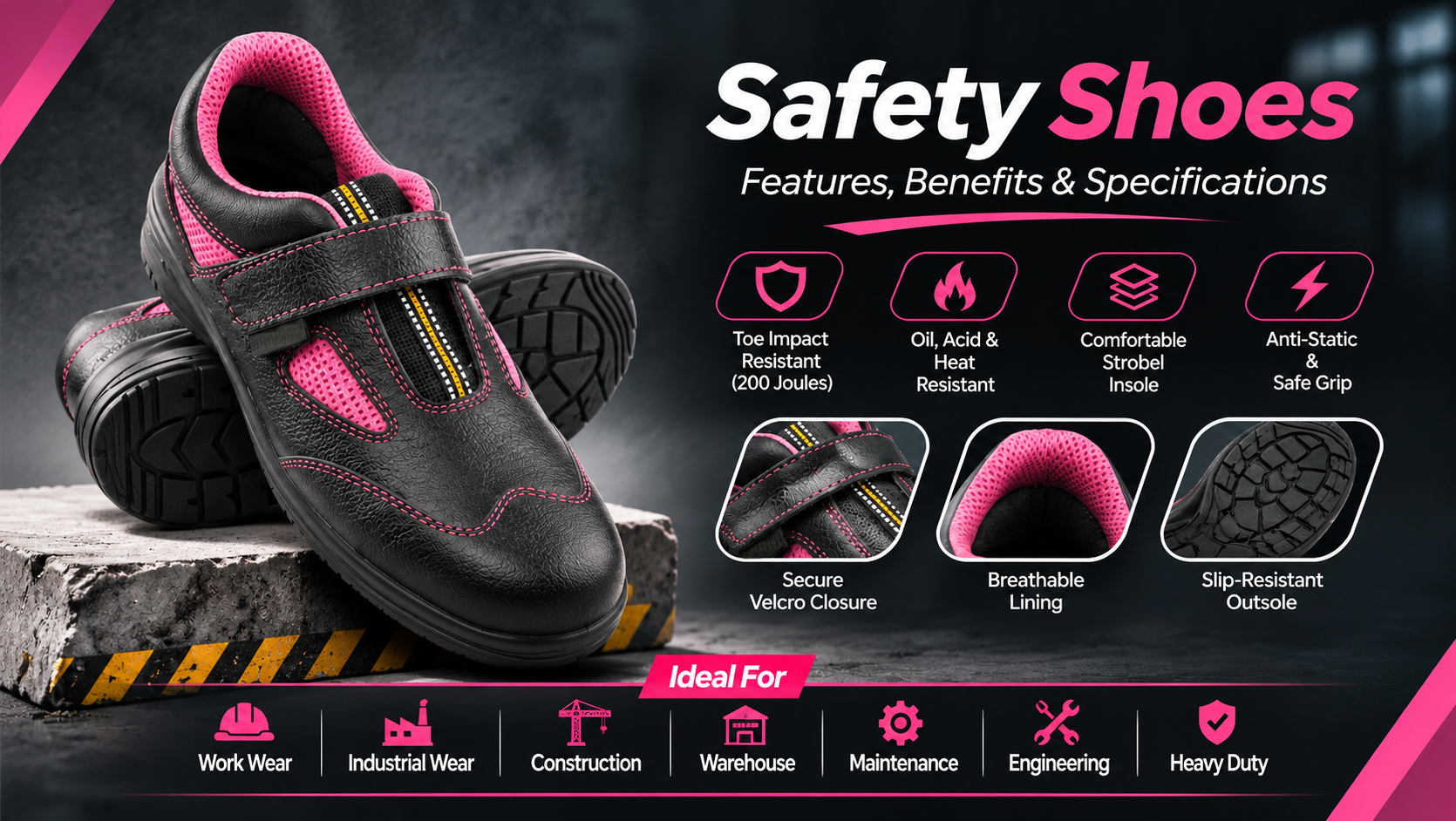
Important Features of Comfortable Safety Shoes
Not all safety shoes are designed with the same construction and comfort features. Before purchasing footwear, consider the following factors.
1. Lightweight Construction
Heavy footwear can become uncomfortable during extended shifts, particularly for employees who walk frequently.
Lightweight safety shoes may help reduce the perceived effort associated with repeated walking and movement.
Composite toe footwear is often lighter than comparable steel toe designs, although actual weight depends on the complete shoe construction.
2. Cushioned Insoles
Insoles provide cushioning between the foot and the footwear's internal sole.
Look for:
- Comfortable cushioning.
- Suitable heel support.
- Removable insoles where required.
- Moisture-management properties.
- Adequate internal space.
The right insole should improve comfort without compromising the shoe's fit or protective construction.
3. Breathable Upper Materials
Breathable upper materials can improve ventilation and help manage moisture inside footwear.
Common materials include:
- Breathable textile fabrics.
- Mesh panels.
- Leather.
- Synthetic leather.
- Combination textile and synthetic materials.
The best choice depends on the working environment, required protection and expected durability.
4. Flexible Outsole Construction
Workers who regularly walk, climb stairs or move between workstations may benefit from footwear with suitable outsole flexibility.
However, flexibility should not compromise puncture resistance, stability or other required protective properties.
5. Proper Heel and Arch Fit
Safety shoes should fit securely around the heel and provide comfortable support throughout the foot.
Excessive heel movement can cause friction, while insufficient toe space can create pressure during walking.
Choose footwear according to individual foot shape and manufacturer sizing guidance.
How to Choose the Right Safety Shoes for Different Workplaces
Different jobs require different footwear characteristics.
Construction Workers
Construction workers may need protective footwear with:
- Protective toe caps.
- Penetration-resistant midsoles.
- Slip-resistant outsoles.
- Durable upper materials.
- Suitable ankle coverage where required.
Comfort is also important because construction workers frequently move across different surfaces throughout the day.
Warehouse and Logistics Workers
Warehouse employees may spend extended periods walking, standing and handling materials.
Important considerations include:
- Lightweight construction.
- Comfortable cushioning.
- Suitable toe protection.
- Slip resistance.
- Durable outsole materials.
Proper fitting is particularly important for employees who walk long distances during their shifts.
Maintenance and Facility Management Teams
Maintenance workers perform a variety of tasks, including equipment inspection, repairs, cleaning and general facility operations.
Their footwear requirements depend on the specific work environment.
Consider footwear with appropriate toe protection, outsole grip, flexibility and resistance to expected workplace contaminants.
Manufacturing Workers
Manufacturing environments may involve machinery, heavy components, sharp materials and repetitive movement.
Employers should prioritize protective footwear that combines the necessary safety features with comfortable construction and proper fitting.
Steel Toe vs Composite Toe: Which Is More Comfortable?
Both steel toe and composite toe safety shoes can provide certified protection against impact and compression hazards.
However, their construction and characteristics differ.
| Feature | Steel Toe | Composite Toe |
|---|---|---|
| Material | Steel | Non-metallic materials |
| Weight | Generally heavier | Often lighter |
| Metal detection | Usually detectable | Generally metal-free |
| Heat transfer | Conducts heat and cold | Lower thermal conductivity |
| Comfort | Depends on complete shoe design | Depends on complete shoe design |
| Applications | General industrial work | Suitable metal-free environments and other applications |
Composite toe footwear may be preferred by workers looking for lighter protective footwear.
However, neither type is automatically more comfortable. Overall shoe weight, sole construction, cushioning and fitting also matter.
How to Select the Correct Safety Shoe Size
Correct sizing is one of the most important factors when purchasing safety footwear.
A shoe that is too tight may create pressure around the toes, while an oversized shoe can cause excessive movement and friction.
Follow these practical fitting recommendations:
Measure Both Feet
Foot size can vary slightly between the left and right foot. Measure both and select a size that comfortably accommodates the larger foot.
Try Shoes With Work Socks
Always try safety footwear with the type of socks employees normally wear during working hours.
Check Toe Clearance
Ensure there is sufficient space between the toes and the protective toe cap.
The foot should not press directly against the toe cap during normal walking.
Check Heel Stability
The heel should remain reasonably secure without excessive movement or friction.
Walk Before Purchasing
Employees should walk in the footwear to assess comfort, flexibility and stability.
Consider Individual Foot Shape
Some workers have wider feet, higher insteps or different fitting requirements.
A suitable shoe should accommodate these differences without compromising protective performance.
How to Maintain Safety Shoes and Extend Their Service Life
Proper maintenance helps preserve footwear condition and allows workers to identify damage before it becomes a safety concern.
Clean Shoes Regularly
Remove accumulated dust, dirt and workplace contaminants using cleaning methods recommended by the manufacturer.
Allow Footwear to Dry
After exposure to moisture, allow footwear to dry naturally according to the manufacturer's instructions.
Avoid excessive heat or direct heating methods that may damage materials and adhesives.
Inspect the Outsole
Check the outsole regularly for:
- Excessive wear.
- Cracks.
- Separation from the upper.
- Damaged tread patterns.
- Embedded sharp materials.
Inspect the Protective Components
Check for visible toe-cap damage, damaged stitching, compromised midsoles and deterioration of protective components.
Store Properly
Store safety footwear in a clean, dry and ventilated area away from direct heat and damaging chemicals.
When Should Safety Shoes Be Replaced?
Safety shoes should be inspected regularly because protective performance can deteriorate with continued use.
Consider replacing footwear when:
- The protective toe cap becomes exposed or damaged.
- The outsole becomes excessively worn.
- The sole separates from the upper.
- The penetration-resistant midsole becomes damaged.
- The footwear develops significant structural damage.
- The shoe no longer fits properly.
- Chemical exposure compromises the footwear material.
There is no universal replacement period for all safety shoes. Actual replacement depends on usage, working conditions, manufacturer guidance and inspection findings.
Damaged protective footwear should be removed from service rather than continued in use.
Safety Shoe Procurement for Companies in Al Khobar
Businesses purchasing safety footwear for multiple employees should consider both protection requirements and individual fitting needs.
A planned procurement process helps reduce unnecessary replacements and ensures workers receive suitable footwear.
Before requesting quotations, prepare the following information:
- Total number of employees.
- Individual shoe-size distribution.
- Required protection characteristics.
- Preferred footwear models.
- Workplace application.
- Expected order quantity.
- Delivery requirements.
- Replacement and after-sales requirements.
For larger teams, arranging sample fittings before placing a bulk order can help identify sizing issues and improve employee acceptance.
How to Choose a Reliable Safety Shoes Supplier in Al Khobar
Selecting a suitable supplier is important for companies that regularly purchase industrial safety footwear.
Before selecting a supplier, evaluate the following:
Product Range
Check whether the supplier offers different footwear designs, protective toe options, sizes and applications.
Product Specifications
Request technical details about the footwear's protective features, materials and applicable certifications.
Size Availability
Confirm whether the supplier can provide the required size distribution for your workforce.
Bulk Procurement
For corporate purchasing, discuss order quantities, stock availability and recurring supply requirements.
Product Documentation
Verify certification and conformity documentation relevant to your procurement requirements.
Delivery and Support
Confirm delivery arrangements, replacement policies and after-sales assistance.
A reliable procurement process should prioritize product suitability, documentation and consistent availability rather than price alone.
Frequently Asked Questions About Safety Shoes in Al Khobar
1. What makes safety shoes comfortable for long working hours?
Comfortable safety shoes generally have suitable cushioning, proper fitting, supportive construction, appropriate weight and breathable materials. The best combination depends on the worker's activities and foot shape.
2. Are lightweight safety shoes suitable for construction workers?
Yes, provided they meet the required protection standards and workplace specifications. Lightweight construction should never come at the expense of necessary protective features.
3. Are composite toe safety shoes more comfortable than steel toe shoes?
Composite toe footwear is often lighter and transfers less heat and cold than steel toe footwear. However, overall comfort depends on shoe design, cushioning, fit and materials.
4. How should I choose the correct safety shoe size?
Measure both feet, wear normal work socks when trying footwear and check toe clearance, heel stability and overall comfort. Avoid selecting footwear based only on the size printed on an older pair.
5. How often should safety shoes be inspected?
Inspect footwear regularly according to workplace procedures and manufacturer recommendations. Workers should also report visible damage or deterioration immediately.
6. When should industrial safety shoes be replaced?
Replace footwear when protective components are damaged, soles are excessively worn, structural integrity is compromised or the shoes no longer provide a suitable fit.
7. Can companies purchase safety shoes in bulk in Al Khobar?
Industrial suppliers may offer bulk procurement for construction companies, warehouses, maintenance teams and manufacturing facilities. Confirm product specifications, size availability and delivery arrangements before ordering.
8. What should companies consider when buying safety shoes for employees?
Companies should consider workplace hazards, certification requirements, employee sizing, footwear comfort, durability, product availability and procurement costs.
Choose Comfortable and Protective Safety Shoes
Selecting suitable safety footwear requires balancing workplace protection, employee comfort and long-term durability.
For businesses in Al Khobar, the right footwear selection should reflect the nature of the work, employee movement requirements and specific workplace hazards.
Whether you are equipping construction workers, warehouse employees, maintenance teams or manufacturing staff, prioritize properly fitted footwear that meets the required safety specifications.
Contact OxyTech to discuss your industrial safety equipment requirements and procurement enquiries.