



Aluminum Gas Cylinders: Lightweight, Durable Solutions for Industrial and Medical Gas Needs
Aluminum gas cylinders play a key role in safely storing and transporting gases across industries. These lightweight pressure vessels offer superior corrosion resistance and ease of handling compared to heavier options. In Saudi Arabia, Aluminum Gas Cylinders Supplier in Saudi Arabia meet growing demands in healthcare, oil, and manufacturing sectors. This guide explores their features, uses, regulations, and best practices for professionals.
Overview: What Are Aluminum Gas Cylinders?
Aluminum gas cylinders are durable containers made from high-strength aluminum alloys. They hold compressed gases under pressure, from oxygen to helium. Unlike plastic or composite options, these cylinders use seamless aluminum construction for reliability.
Engineers design them to withstand high pressures, often up to 3000 psi or more. The aluminum 6061-T6 alloy is common, prized for its strength-to-weight ratio. These cylinders come in sizes from small portables (like 20 cubic feet) to large industrial units (over 300 cubic feet).
Key specs include:
- Wall thickness: 0.2 to 0.5 inches, depending on capacity.
- Valve types: CGA connections for specific gases.
- Color coding: Follows standards like green for oxygen.
In practice, they prevent leaks through precise manufacturing and testing. Hydrostatic testing checks integrity every 5-10 years.
Key Features and Real-World Benefits
Aluminum gas cylinders stand out for practical advantages. Their light weight—often 30-50% less than steel—reduces transport costs and fatigue for users.
Corrosion resistance shines in humid or chemical environments. Aluminum forms a natural oxide layer that protects against rust, unlike steel which needs coatings.
Other features include:
- Non-magnetic properties: Ideal for MRI rooms in hospitals.
- High thermal conductivity: Dissipates heat quickly during filling.
- Recyclability: 95% recyclable, aligning with green initiatives.
- Impact resistance: Dents rather than cracks, enhancing safety.
In daily use, a manufacturing plant handler moves cylinders effortlessly, cutting injury risks. Benefits extend to longevity—many last 15-20 years with proper care.
Aluminum vs Steel Gas Cylinders (Comparison Table)
Choosing between aluminum and steel depends on needs. Here's a clear comparison:
| Feature | Aluminum Gas Cylinders | Steel Gas Cylinders |
|---|---|---|
| Weight | Lightweight (e.g., 20 lb for 240 cf) | Heavy (e.g., 35 lb for same capacity) |
| Corrosion Resistance | Excellent (natural oxide layer) | Fair (requires painting/galvanizing) |
| Cost | Higher upfront, lower lifecycle | Lower initial, higher maintenance |
| Pressure Rating | Up to 6000 psi | Up to 4500 psi |
| Lifespan | 15-20 years | 10-15 years |
| Best For | Medical, portable, harsh environments | High-volume industrial storage |
| MRI Compatibility | Yes (non-magnetic) | No |
Aluminum wins for mobility and durability in demanding settings.
Applications Across Industries
Aluminum gas cylinders serve diverse sectors with precision.
Medical & Healthcare Gases
Hospitals rely on them for oxygen therapy and anesthesia. Lightweight design aids paramedics in emergencies. They store medical oxygen, nitrous oxide, and CO2 safely. Non-magnetic types suit operating rooms near MRI scanners.
Industrial & Manufacturing Gases
Factories use them for welding (argon, acetylene mixes) and cutting. Corrosion resistance handles exposure to moisture in metalworking. They support processes like heat treatment and laser cutting.
Laboratory & Specialty Gases
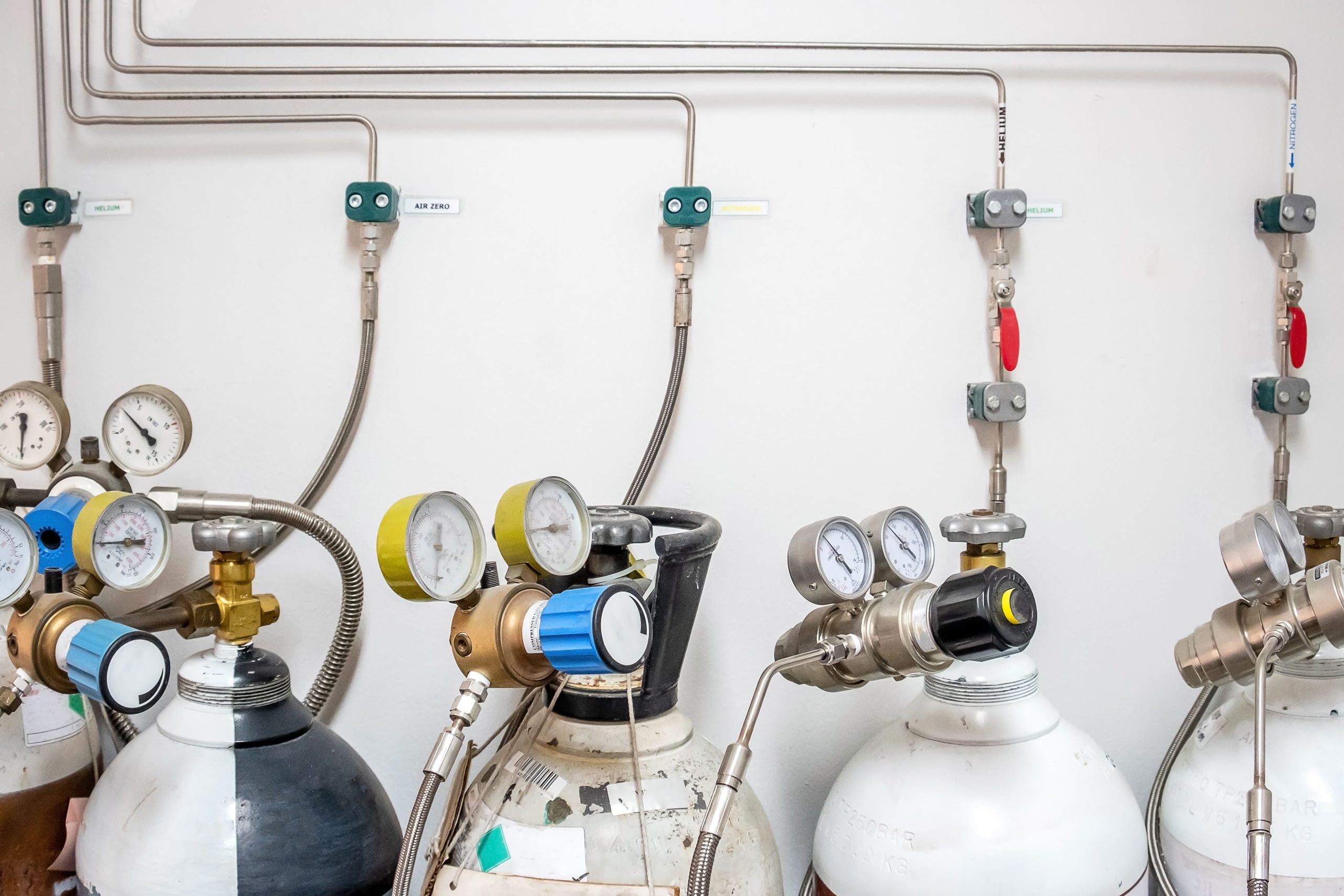
Labs store helium for chromatography or hydrogen for fuel cells. Small sizes fit benches, while purity standards prevent contamination.
Firefighting & Breathing Systems
SCBA units in firefighting use aluminum for self-contained air. Breathable air cylinders weigh less, extending rescue times.
Aluminum Gas Cylinders In Saudi Arabia
Aluminum gas cylinders in Saudi Arabia see rising demand amid rapid growth. Saudi Vision 2030 fuels expansion in healthcare and energy.
Market Demand
Imports and local production surge as industries modernize. Suppliers stock them for quick delivery in Riyadh and Jeddah.
Healthcare Sector Growth
New hospitals need reliable medical gas storage. Oxygen cylinders support ventilators in expanding facilities.
Industrial and Oil & Gas Expansion
Mega-projects like NEOM require thousands of units for welding and purging. Aramco sites prefer lightweight options for remote sites.
Saudi Arabia Safety Regulations & Quality Standards
Compliance is non-negotiable in KSA. Regulations ensure user safety.
SASO
Saudi Standards, Metrology and Quality Organization (SASO) mandates GSO 128 for pressure vessels. Cylinders must pass burst tests and marking requirements.
ISO
ISO 9809-1 covers seamless steel but aluminum follows ISO 7866 for specifics. Certification verifies design and testing.
DOT / EN (Where Relevant)
Imported units meet DOT 3AL (US) or EN 1964-1 (Europe) standards. SASO recognizes these with local verification.
Inspections include visual checks, ultrasonic testing, and requalification every 5 years.
Why Aluminum Cylinders Are Preferred in Saudi Arabia
Harsh desert conditions favor aluminum's rust-proof nature. High temperatures demand thermal stability. Portability suits mobile oil rigs. Lighter weight cuts logistics costs in vast projects. Aluminum gas cylinders in Saudi Arabia align with SASO's quality push.
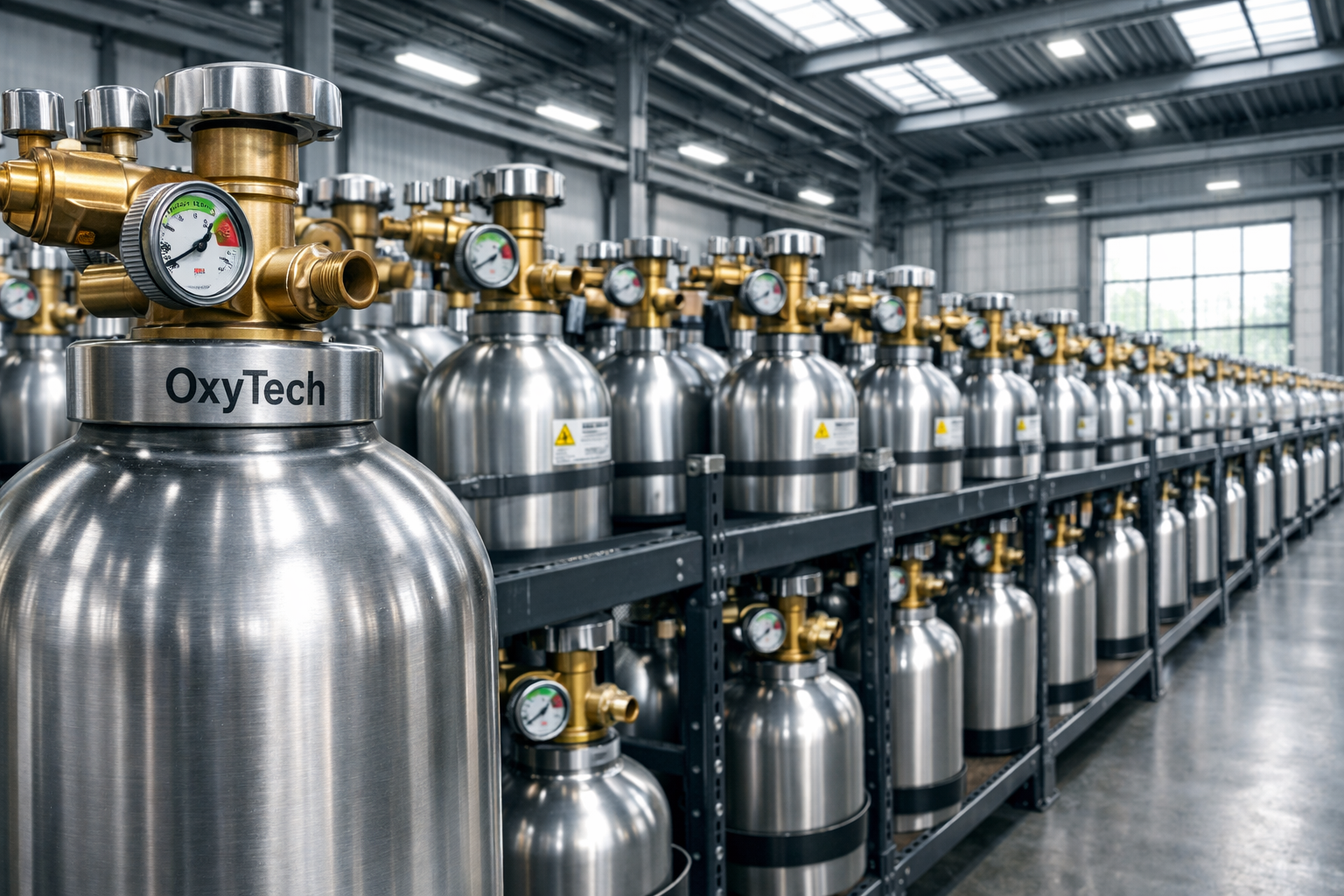
Role of Trusted Manufacturers Like OxyTech
Brands like OxyTech bring decades of experience to the table.
Manufacturing Quality
OxyTech uses seamless extrusion and heat treatment for uniform strength. Each cylinder undergoes 100% ultrasonic inspection.
Compliance & Safety Culture
They hold SASO, ISO 7866, and DOT certifications. Safety-first approach includes rigorous valve testing.
Industry Experience
OxyTech supplies oil fields and hospitals globally, including KSA. Their track record builds confidence in high-stakes environments.
How to Choose the Right Cylinder
Select based on gas type, size, and service pressure.
Steps:
- Match CGA valve to gas (e.g., CGA 540 for oxygen).
- Check capacity (cubic feet) against needs.
- Verify certifications (SASO/ISO).
- Consider weight for portability.
- Review test date—must be current.
Consult suppliers for custom necks or hoops.
Maintenance, Inspection & Safety Best Practices
Proper care extends life and prevents accidents.
Daily Checks:
- Inspect for dents, corrosion, or leaks.
- Ensure valve caps are on.
Periodic Inspections:
- Visual every 6 months.
- Hydrostatic every 5 years per SASO.
Safety Practices:
- Store upright, chained.
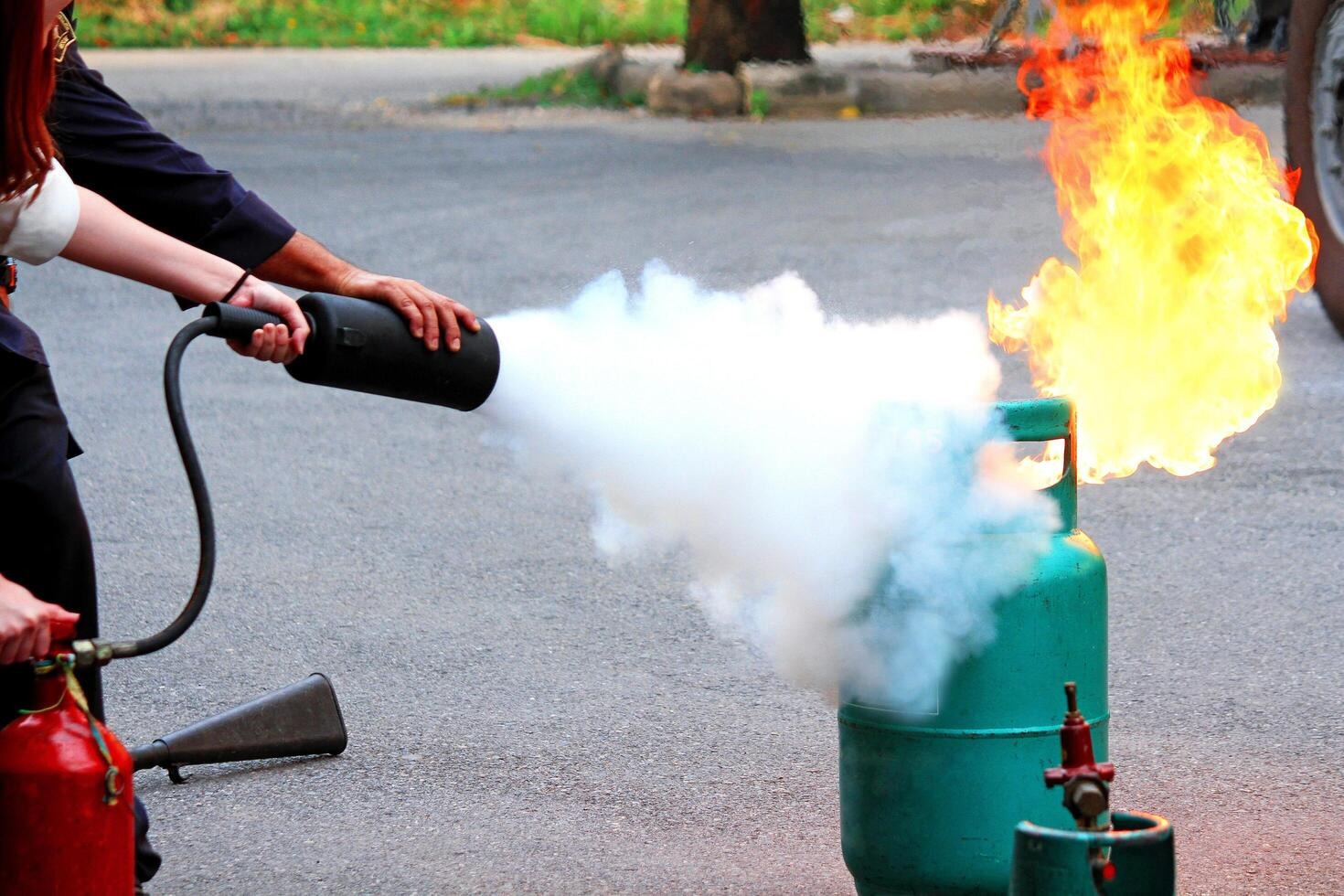
- Use away from heat/flames.
- Train on emergency release.
Follow PPE: gloves, goggles. In KSA, annual audits by certified techs are standard.
Environmental & Sustainability Benefits
Aluminum cylinders reduce carbon footprints. Their light weight lowers fuel use in shipping—up to 20% savings. Full recyclability supports circular economy. Unlike steel, no coatings mean less waste. In Saudi Arabia's green push, they fit sustainability goals.
Future Trends of Aluminum Gas Cylinders in Saudi Arabia
Innovation drives progress. Expect:
- Composite wraps for ultra-light strength.
- Smart sensors for IoT monitoring.
- Localized production under Vision 2030.
- Hydrogen-ready designs for energy transition.
- AI-driven inspections for predictive maintenance.
Aluminum gas cylinders in Saudi Arabia will grow with NEOM and giga-projects.
Frequently Asked Questions
What makes aluminum gas cylinders lighter than steel?
Aluminum's density is about one-third of steel, allowing thinner walls for the same strength.
Are aluminum gas cylinders safe for medical oxygen?
Yes, they meet ISO 7866 and are non-reactive, preventing contamination.
How often should aluminum cylinders be inspected in Saudi Arabia?
Visual checks every 6 months; hydrostatic every 5 years per SASO rules.
Can aluminum cylinders rust in humid climates?
No, the oxide layer provides natural corrosion resistance.
What sizes are common for industrial use?
From 40 cf portables to 300 cf manifolds.
Do they comply with SASO standards?
Certified units bear SASO marks after GSO testing.
We Are Also A: Medical Equipment Suppliers, Lab Equipment Suppliers, Fire Safety Equipment, Fire Protection Companies In Saudi Arabia, Medical Supplies Saudi Arabia, Medical Devices Companies In Saudi Arabia, Medical Equipment Suppliers in Dammam, MEP Contracting Companies in Saudi Arabia