






BiPAP Machine: The Complete Guide to Bilevel Positive Airway Pressure Therapy
What Is a BiPAP Machine?
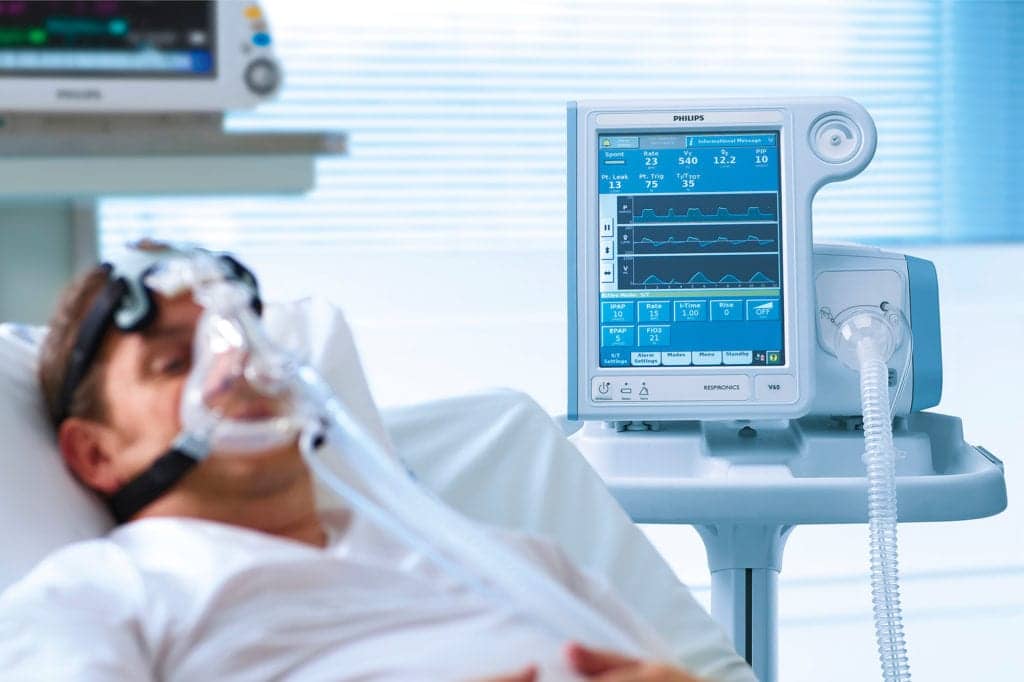
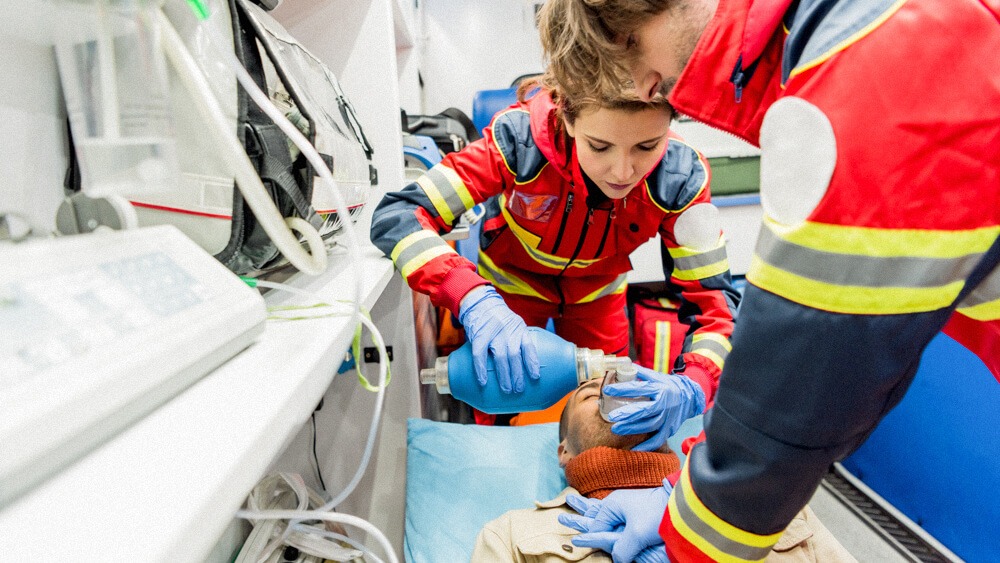
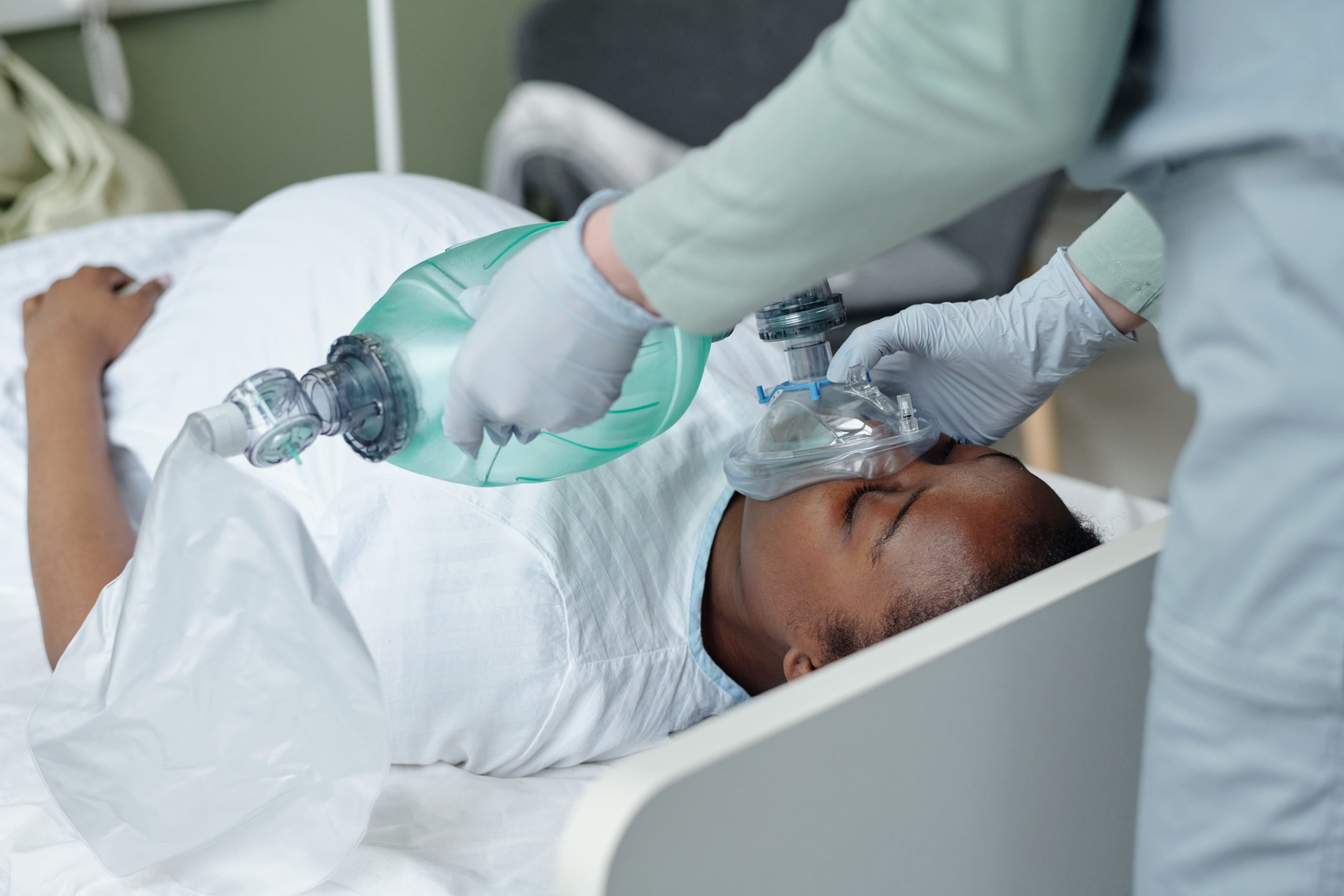
A BiPAP Machine (Bilevel Positive Airway Pressure machine) is a non-invasive respiratory therapy device that delivers two distinct levels of air pressure to help patients breathe more comfortably and effectively. Unlike a CPAP machine, which delivers a single continuous pressure, a BiPAP machine provides a higher pressure during inhalation (IPAP) and a lower pressure during exhalation (EPAP) — making it significantly easier and more natural to breathe.
At OxyTech, we manufacture and supply clinically certified BiPAP machines designed for ICU settings, hospital wards, home care, and long-term respiratory management across Saudi Arabia and the broader GCC region.
How Does a BiPAP Machine Work?
A BiPAP machine works by pushing pressurized air through a mask fitted over the patient's nose or mouth. Here is exactly what happens during each breathing cycle:
- Inhalation phase — The machine detects the patient beginning to breathe in and immediately delivers air at the higher IPAP pressure. This keeps the airway open and ensures sufficient oxygen reaches the lungs.
- Exhalation phase — As the patient breathes out, the machine automatically drops to the lower EPAP pressure. This reduction makes exhalation effortless and prevents the feeling of "breathing against a wall" that some patients experience with CPAP therapy.
- Cycle monitoring — Advanced BiPAP units continuously monitor breathing patterns in real time, adjusting pressure delivery to synchronize with the patient's natural respiratory rhythm.
This dual-pressure mechanism is what makes BiPAP therapy the preferred choice for patients with more complex respiratory needs.
Who Needs a BiPAP Machine?
BiPAP therapy is clinically prescribed for a wide range of respiratory and sleep-related conditions. Physicians in Saudi Arabia and across the GCC commonly recommend BiPAP machines for patients with:
Obstructive Sleep Apnea (OSA)
Patients who cannot tolerate CPAP therapy due to high pressure requirements are often transitioned to BiPAP. The lower exhalation pressure makes compliance significantly easier, particularly for patients requiring IPAP settings above 15 cm H₂O.
Chronic Obstructive Pulmonary Disease (COPD)
COPD is one of the leading drivers of BiPAP use in hospital and home care settings across Saudi Arabia. BiPAP supports weakened respiratory muscles, reduces the work of breathing, and lowers CO₂ retention during acute and chronic phases of the disease.
Central Sleep Apnea (CSA)
Central sleep apnea occurs when the brain fails to send proper signals to the breathing muscles. BiPAP ST (Spontaneous/Timed) mode adds a backup respiratory rate, ensuring the patient receives adequate breaths per minute even when central apnea events occur.
Obesity Hypoventilation Syndrome (OHS)
Patients with OHS — commonly referred to as Pickwickian Syndrome — hypoventilate during sleep due to excess body weight restricting lung expansion. BiPAP effectively corrects this by mechanically assisting both inhalation and exhalation.
Acute Respiratory Failure
In hospital ICU settings, BiPAP is used as a first-line non-invasive ventilation (NIV) strategy for patients experiencing acute respiratory failure. It reduces the need for intubation, shortens ICU stays, and improves patient outcomes.
Neuromuscular Diseases
Conditions such as ALS (Amyotrophic Lateral Sclerosis), muscular dystrophy, and post-polio syndrome progressively weaken the respiratory muscles. Long-term BiPAP therapy provides critical ventilatory support that maintains quality of life and reduces hospitalizations.
Post-Operative Respiratory Support
Patients recovering from major thoracic or abdominal surgery often experience reduced lung function. BiPAP is prescribed to prevent post-operative pulmonary complications and support recovery.
BiPAP Machine vs CPAP Machine: Key Differences
Understanding the difference between BiPAP and CPAP is essential for patients, clinicians, and procurement professionals making equipment decisions.
| Feature | BiPAP Machine | CPAP Machine |
|---|---|---|
| Pressure delivery | Two levels (IPAP + EPAP) | Single continuous pressure |
| Exhalation comfort | High — pressure drops on exhale | Lower — constant pressure throughout |
| Conditions treated | COPD, CSA, OHS, acute failure, OSA | Primarily mild-to-moderate OSA |
| Backup breath rate | Available (ST mode) | Not available |
| Pressure range | 4–30 cm H₂O | 4–20 cm H₂O |
| Clinical complexity | Higher | Lower |
| Typical setting | Hospital, ICU, home care | Home care |
OxyTech Clinical Note: CPAP is the standard first-line treatment for obstructive sleep apnea. BiPAP is typically prescribed when CPAP fails, when higher pressures are required, or when the patient has a comorbid condition requiring bilevel support.
Types of BiPAP Machines Supplied by OxyTech
OxyTech supplies a comprehensive range of BiPAP machines to meet clinical requirements across all healthcare settings in Saudi Arabia. Each category serves a distinct patient population and clinical use case.
1. BiPAP S (Spontaneous Mode)
The entry-level bilevel device that delivers pressure in response to the patient's own breathing effort. Suitable for patients with preserved respiratory drive who need pressure support during both inhalation and exhalation.
Best for: Mild-to-moderate COPD, OSA patients transitioning from CPAP.
2. BiPAP ST (Spontaneous/Timed Mode)
The ST mode adds a programmable backup respiratory rate. If the patient fails to initiate a breath within a set time interval, the machine automatically delivers one. This is a critical safety feature for patients with central apnea or neuromuscular diseases.
Best for: Central sleep apnea, ALS, post-operative patients, ICU step-down care.
3. Auto BiPAP (APAP Bilevel)
Auto BiPAP machines use intelligent algorithms to continuously measure airway resistance and adjust pressure levels in real time throughout the night. Pressure is never higher than clinically necessary, maximizing comfort while maintaining therapeutic efficacy.
Best for: Patients whose pressure needs fluctuate — positional apnea, weight changes, nasal congestion.
4. BiPAP AVAPS (Average Volume-Assured Pressure Support)
AVAPS mode guarantees a set tidal volume (the amount of air delivered per breath) by automatically adjusting pressure within a defined range. This is the most advanced non-invasive ventilation mode available outside of full mechanical ventilators.
Best for: OHS, neuromuscular diseases, chronic hypercapnic respiratory failure.
5. Hospital-Grade ICU BiPAP Systems
OxyTech supplies ICU-class bilevel ventilators engineered for continuous acute care use. These systems include advanced monitoring, multi-mode ventilation, integrated alarms, and compatibility with medical gas pipeline systems — a core area of OxyTech's manufacturing expertise.
Best for: Acute respiratory failure, post-surgical wards, emergency departments, intensive care units.
Key Features to Look for in a BiPAP Machine
When procuring a BiPAP machine for a hospital, clinic, or home care program in Saudi Arabia, clinical teams and procurement managers should evaluate the following features:
Pressure Range
A wider pressure range (4–30 cm H₂O) provides greater clinical flexibility across patient populations. OxyTech BiPAP systems cover the full therapeutic range required for both mild OSA and severe COPD management.
Therapy Modes
The number of available therapy modes (S, ST, T, CPAP, Auto) determines how versatile the device is across departments. Multi-mode devices reduce the need for multiple units across different wards.
Integrated Heated Humidifier
Dry, pressurized air causes nasal dryness, irritation, and mask leaks — the leading causes of therapy non-compliance. An integrated heated humidifier significantly improves patient comfort and long-term adherence rates.
Leak Compensation
Advanced leak compensation algorithms detect and automatically adjust for mask leaks in real time, maintaining consistent therapy pressure without alarming unnecessarily.
Data Recording and Remote Monitoring
Modern BiPAP machines record detailed therapy data including AHI (Apnea-Hypopnea Index), leak rate, usage hours, and pressure statistics. Cloud-connected models allow clinicians to remotely review patient compliance data — a feature increasingly important in Saudi Arabia's expanding telehealth infrastructure.
Noise Level
For home care patients, noise levels below 28 dB are recommended for minimal sleep disturbance. OxyTech's home care BiPAP units are engineered for quiet operation without compromising motor performance.
Battery and Portability
Patients who travel — including those undertaking Hajj and Umrah — require portable BiPAP units with battery backup or dual-voltage compatibility. OxyTech's portable line is designed specifically for mobile and travel use in the Saudi and GCC context.
SFDA and International Certifications
All BiPAP machines supplied by OxyTech in Saudi Arabia are compliant with SFDA (Saudi Food & Drug Authority) regulatory requirements, and carry internationally recognized ISO 13485, CE, and where applicable, FDA certifications.
How to Set Up a BiPAP Machine: Step-by-Step
Proper setup is essential for therapy effectiveness and patient safety. OxyTech's clinical support team provides on-site setup and training for all hospital and home care installations.
Step 1 — Prescription and settings A BiPAP machine must only be set up based on a physician's prescription specifying IPAP, EPAP, backup rate (if ST mode), and ramp time. Never adjust pressure settings without clinical authorization.
Step 2 — Select the correct mask Choose between nasal mask, full-face mask, or nasal pillow based on the patient's breathing pattern, pressure level, and comfort preference. A proper mask fit is the single most important factor in therapy success.
Step 3 — Attach the circuit Connect the breathing circuit (tubing) from the machine's air outlet to the humidifier chamber, then to the mask. Ensure all connections are secure with no visible gaps.
Step 4 — Fill the humidifier If using an integrated humidifier, fill the chamber to the marked fill line with distilled water only. Never use tap water, as mineral deposits damage the chamber and pose an infection risk.
Step 5 — Power on and check Switch on the device and confirm the displayed settings match the prescription. Allow the ramp function to gradually increase to the prescribed pressure over the set ramp time.
Step 6 — Fit the mask Place the mask on the patient, ensuring a comfortable seal with no pressure points. Overtightening causes skin breakdown; undertightening causes leaks and pressure loss.
Step 7 — Monitor and record Check the patient's comfort, confirm leak rate is within acceptable limits, and document session start time, settings, and any observations.
BiPAP Machine Maintenance: Keeping Your Device Performing
Routine maintenance extends equipment life and protects patient safety. OxyTech provides comprehensive maintenance programs and spare parts supply across Saudi Arabia.
Daily tasks:
- Rinse the humidifier chamber with warm water and allow to air dry
- Wipe the mask cushion and headgear with a damp cloth
- Inspect tubing for kinks, cracks, or moisture buildup
Weekly tasks:
- Wash mask components (cushion, frame, headgear) in warm soapy water; rinse thoroughly
- Wash tubing in warm soapy water; hang vertically to dry
- Wipe the exterior of the machine with a dry or lightly damp cloth
Monthly tasks:
- Inspect and replace disposable air inlet filter
- Check all connections for wear or deterioration
- Review therapy data and report any significant changes to the prescribing physician
Annual tasks:
- Full clinical service and calibration check by a certified biomedical engineer
- Replacement of non-disposable foam filter
- Review of therapy settings against current clinical status
BiPAP Therapy in Saudi Arabia: Market Context and Clinical Demand
Saudi Arabia is experiencing rapid growth in respiratory disease burden, driven by several well-documented factors:
- COPD and smoking: Saudi Arabia has a significant adult smoking population, directly correlating with rising COPD prevalence and demand for long-term respiratory support devices.
- Obesity and OSA: Urbanization and dietary changes have contributed to rising obesity rates, with obstructive sleep apnea now recognized as a major public health concern across the Kingdom.
- Air quality: Dust storms, sand exposure, and industrial pollution in major urban centers contribute to chronic respiratory conditions requiring long-term management.
- Vision 2030 healthcare investment: Saudi Arabia's Vision 2030 initiative is driving substantial investment in hospital infrastructure, ICU capacity, and home healthcare — all of which create strong institutional demand for advanced respiratory equipment.
- Home healthcare expansion: The MOH's push toward community-based and home care models is generating significant demand for portable, patient-friendly BiPAP devices for long-term management outside hospital settings.
OxyTech is strategically positioned to meet this demand as a trusted medical equipment manufacturer and supplier with direct supply capability across all regions of Saudi Arabia.
Why Healthcare Facilities in Saudi Arabia Choose OxyTech
OxyTech is not simply a distributor. We are a manufacturer and full-service supplier of medical, hospital, laboratory, and ICU equipment — including complete medical gas pipeline systems that integrate directly with our respiratory device range.
What sets OxyTech apart:
End-to-end clinical expertise — Our team includes biomedical engineers, respiratory therapy specialists, and clinical application specialists who provide full support from procurement through to patient setup and long-term maintenance.
SFDA-compliant supply chain — Every BiPAP machine we supply meets Saudi Food & Drug Authority regulatory standards, ensuring hospitals and clinics receive legally compliant, quality-assured equipment.
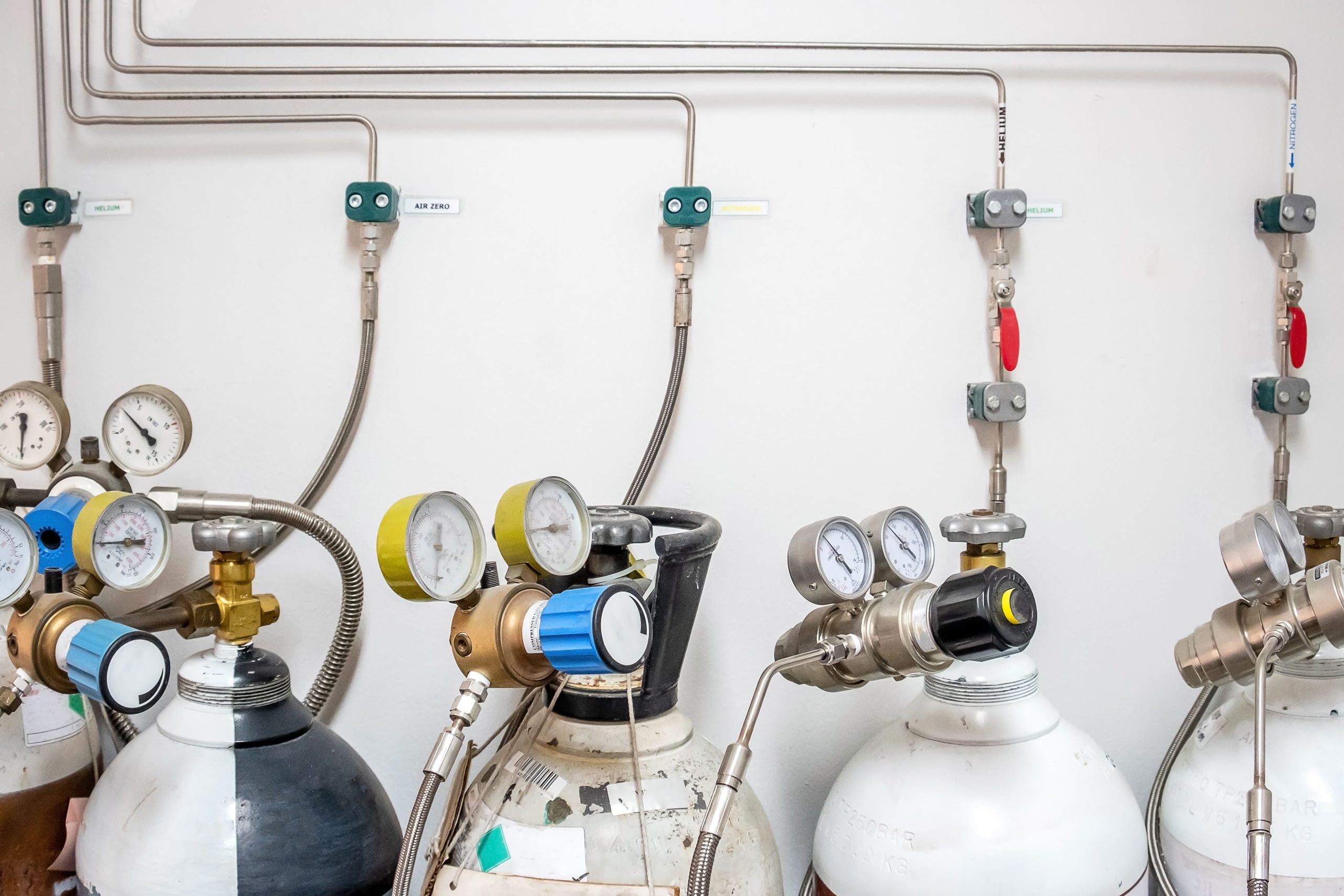
Medical gas pipeline integration — As manufacturers of medical gas pipeline systems, OxyTech uniquely understands how BiPAP and ventilation equipment integrates with hospital gas infrastructure — a critical consideration for ICU and ward installations.
Comprehensive after-sales support — OxyTech provides installation, clinical training, preventive maintenance contracts, and emergency repair services across Saudi Arabia.
Competitive institutional pricing — As a direct manufacturer, OxyTech eliminates unnecessary intermediary costs, offering hospitals, MOH facilities, and private healthcare groups competitive pricing on bulk and long-term supply contracts.
Frequently Asked Questions About BiPAP Machines
Is a prescription required to use a BiPAP machine?
Yes. A BiPAP machine is a regulated medical device that requires a physician's prescription specifying pressure settings before use. Using a BiPAP machine without clinical guidance can be harmful. OxyTech supplies exclusively to clinically authorized healthcare providers and patients with valid prescriptions.
What is the difference between BiPAP and ventilator?
A BiPAP machine is a non-invasive device — it delivers pressure through a mask without requiring intubation. A mechanical ventilator is an invasive or semi-invasive device used when a patient cannot breathe independently. BiPAP is often used to avoid or delay the need for mechanical ventilation.
Can a BiPAP machine be used at home?
Yes. Many patients use portable BiPAP machines at home for long-term management of sleep apnea, COPD, and neuromuscular conditions. OxyTech supplies home-grade BiPAP units with simplified interfaces, quiet motors, and integrated humidifiers designed for independent patient use.
How long does a BiPAP machine last?
With proper maintenance, a quality BiPAP machine typically lasts 5–7 years. Consumables including masks, tubing, and filters require more frequent replacement. OxyTech's maintenance programs and spare parts supply ensure devices remain in optimal clinical condition throughout their lifecycle.
What does IPAP and EPAP mean?
IPAP (Inspiratory Positive Airway Pressure) is the pressure delivered when the patient inhales. EPAP (Expiratory Positive Airway Pressure) is the lower pressure delivered when the patient exhales. The difference between IPAP and EPAP is called the pressure support, which determines how much mechanical assistance the machine provides with each breath.
Can BiPAP be used for COVID-19 patients?
BiPAP has been used as a non-invasive ventilation strategy for COVID-19 patients experiencing acute hypoxemic respiratory failure in both ICU and ward settings. Its use requires specific infection control protocols to prevent aerosolization risks. OxyTech's hospital-grade BiPAP systems are supplied with appropriate circuit configurations for infectious disease management.
How is BiPAP different from oxygen therapy?
Oxygen therapy delivers supplemental oxygen to increase blood oxygen saturation but does not provide pressure support. BiPAP delivers pressurized air (which can be enriched with supplemental oxygen) that mechanically assists breathing. The two therapies address different clinical problems and are often used together in hospital settings.
Summary: Key Facts About BiPAP Machines
- A BiPAP machine delivers two pressure levels — higher on inhalation, lower on exhalation
- It is clinically indicated for COPD, sleep apnea, OHS, respiratory failure, and neuromuscular disease
- BiPAP is more comfortable than CPAP for patients requiring higher pressure settings
- Available in multiple modes: S, ST, Auto, and AVAPS for different clinical needs
- All OxyTech BiPAP machines are SFDA-compliant and internationally certified
- OxyTech provides full clinical support, installation, training, and maintenance across Saudi Arabia
Contact OxyTech for BiPAP Machine Supply in Saudi Arabia
Whether you are a hospital procurement manager, a critical care physician, a home healthcare provider, or a patient requiring long-term respiratory support, OxyTech has the clinical expertise, product range, and regulatory compliance to meet your needs.
OxyTech — Manufacturer and Medical Equipment Suppliers, Hospital Equipment, Laboratory Equipment, Medical Gas Pipeline Systems, ICU Equipment, and Healthcare Products across Saudi Arabia.