


Emergency Medical Equipment List: Complete Guide for Hospitals, Clinics, and Ambulances
An Emergency Medical Equipment List is the foundation of safe, fast, and organized emergency care. It helps medical teams respond quickly to breathing problems, cardiac arrest, trauma, shock, and other life-threatening situations.
This guide explains the most important equipment in detail, why each item matters, and how it is used in real emergency settings. It is written in a simple way so it can work for readers, buyers, students, and healthcare content users.
Introduction to emergency medical equipment
Emergency medicine depends on speed, preparation, and reliable tools. In any urgent situation, the right equipment can save time, reduce risk, and improve patient outcomes.
A strong emergency setup usually includes airway tools, oxygen support, monitoring devices, resuscitation equipment, trauma care supplies, diagnostic tools, and infection-control items. The exact list changes depending on whether the setting is a hospital emergency room, ambulance, urgent care center, clinic, or disaster response unit.
Why an emergency medical equipment list is important
A proper equipment list is not only for purchase planning. It is also useful for daily readiness, staff training, quality control, and emergency response.
Here are the main reasons it matters:
- It helps staff find the right item quickly during a crisis.
- It reduces delays in treatment.
- It supports safer patient care.
- It helps facility managers maintain stock and replace expired items.
- It improves coordination between doctors, nurses, paramedics, and technicians.
When equipment is missing or not working, emergency care becomes slower and less effective. That is why every healthcare center should keep an updated and well-organized list.
Major categories of emergency medical equipment
Emergency medical equipment can be grouped into several major categories. Understanding these categories makes the full list easier to use.
- Airway and breathing support.
- Circulation and resuscitation.
- Vital sign monitoring.
- Trauma and wound care.
- Diagnostic support.
- Immobilization and transport.
- Infection prevention.
- Emergency storage and support systems.
Each category has a specific role in patient care.
Airway and breathing equipment
Airway equipment is one of the most important parts of emergency medicine because breathing problems can become fatal very quickly. These tools help open the airway, deliver oxygen, remove secretions, and support ventilation.
Oxygen cylinder
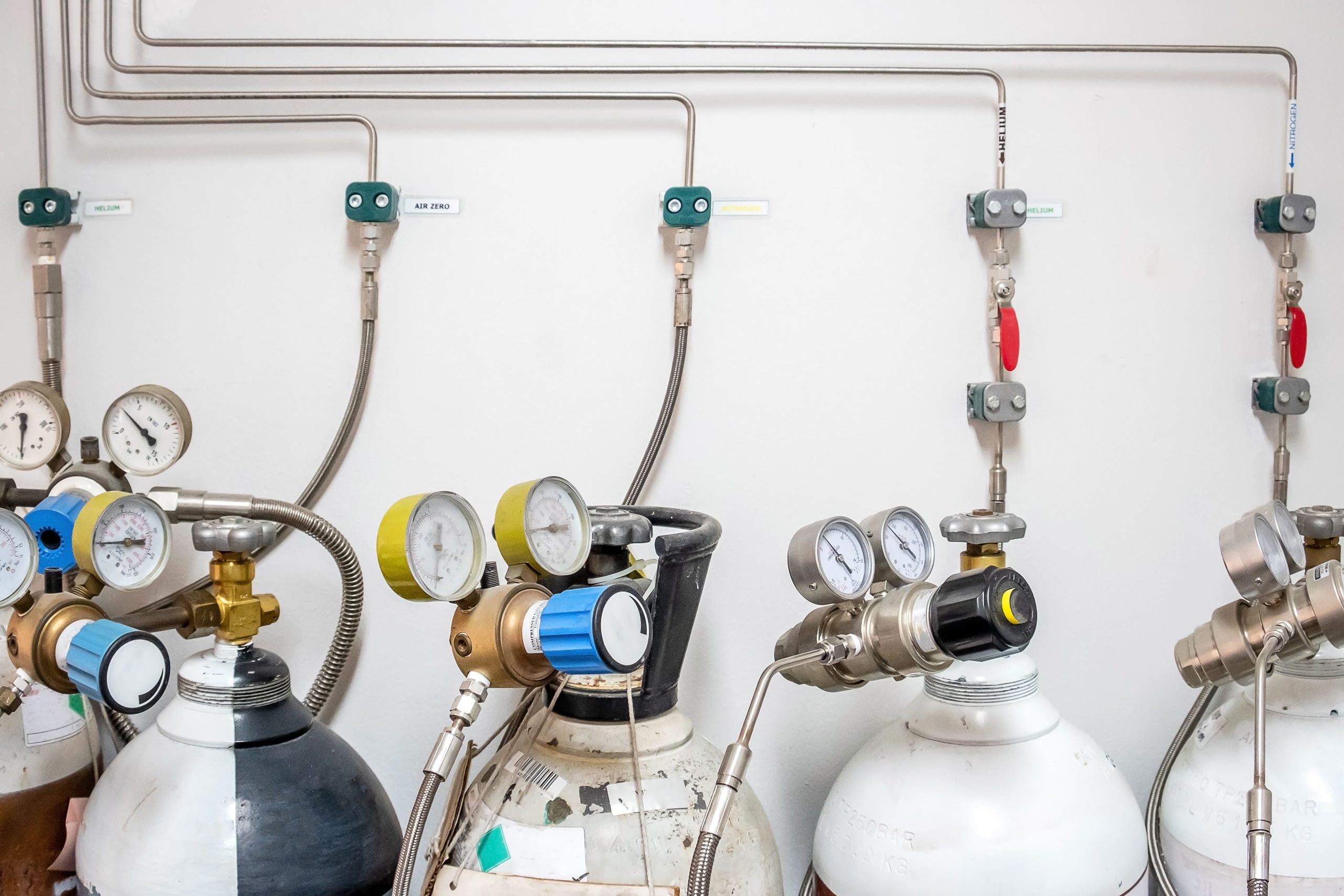
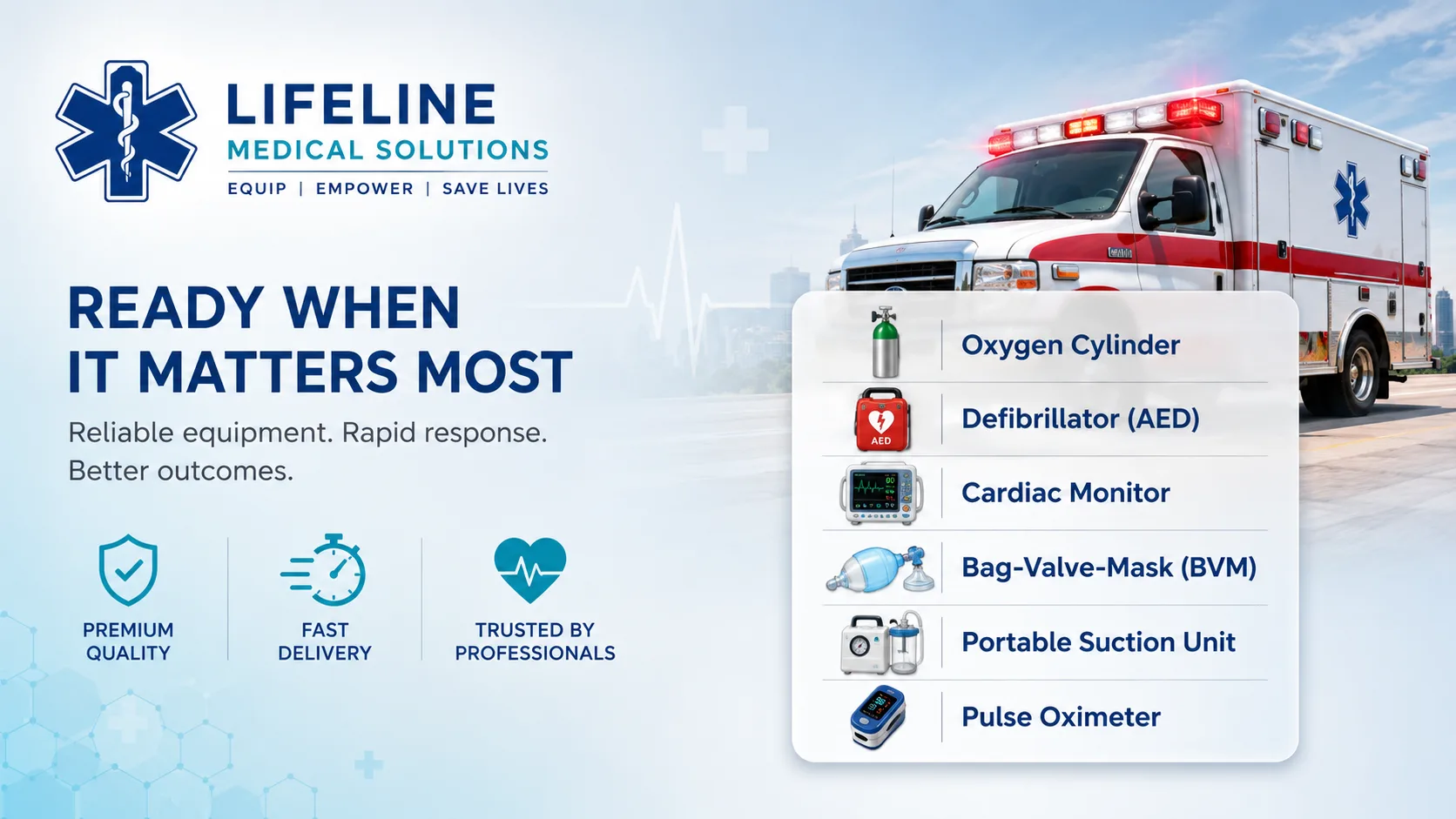
An oxygen cylinder stores compressed oxygen for patients who need immediate breathing support. It is commonly used in ambulances, emergency rooms, and transport situations where oxygen is needed before a patient reaches a more advanced care area.
Oxygen cylinders must be checked regularly for pressure, leaks, and valve function. They should always be secured properly to avoid falling or damage.
Oxygen concentrator
An oxygen concentrator pulls oxygen from surrounding air and delivers concentrated oxygen to the patient. It is useful in hospitals, clinics, and some emergency areas where a continuous oxygen source is needed.
Unlike cylinders, concentrators do not store oxygen. They depend on power and are best used in fixed care areas. They are helpful for long-term oxygen delivery and are often easier to manage than cylinders.
Oxygen mask
An oxygen mask covers the nose and mouth and delivers oxygen directly to the patient. It is commonly used for patients with breathing difficulty, chest pain, trauma, or low oxygen levels.
Different masks are used for different needs. Some provide low-flow oxygen, while others deliver higher amounts depending on the clinical situation.
Nasal cannula
A nasal cannula is a small tube with two prongs placed in the nostrils. It is used for patients who need mild to moderate oxygen support and can still breathe on their own.
It is comfortable, easy to use, and suitable for stable patients. It is not ideal when high oxygen delivery is needed.
Bag-valve mask
A bag-valve mask, often called an Ambu bag, is a manual ventilation device used when a patient is not breathing enough or has stopped breathing. It is one of the most important emergency tools because it allows rescuers to push air into the lungs.
It is commonly used during cardiac arrest, severe respiratory distress, or before intubation. Proper mask seal and technique are essential for effective use.
Laryngoscope
A laryngoscope is used to see the vocal cords during intubation. It helps trained medical staff place a breathing tube into the trachea so the airway stays open.
It is a critical tool in advanced airway management. The handle, blade, light source, and battery should always be checked before use.
Endotracheal tube
An endotracheal tube is inserted into the airway to maintain breathing and protect the lungs from aspiration. It is used in severe emergencies when a patient needs mechanical ventilation or a secure airway.
The size of the tube must match the patient. Correct placement and confirmation are essential for safety.
Suction machine
A suction machine removes blood, mucus, vomit, or other fluids from the airway. This helps clear the passage so the patient can breathe better or so the clinician can perform intubation safely.
Suction is especially useful in trauma cases, unconscious patients, and patients with secretions. Portable suction units are often used in ambulances.
Suction catheter
A suction catheter is the tube attached to the suction machine. It is inserted into the airway or oral cavity to remove unwanted material.
Different sizes are used depending on the patient and the procedure. It is a simple but very important accessory.
Oropharyngeal airway
An oropharyngeal airway is a curved plastic device placed in the mouth to prevent the tongue from blocking the airway. It is used in unconscious patients who cannot keep their airway open naturally.
It should only be used in patients without a gag reflex. If used incorrectly, it can cause discomfort or injury.
Nasopharyngeal airway
A nasopharyngeal airway is a soft tube inserted through the nose to help keep the airway open. It is often better tolerated than an oral airway and can be used in some semi-conscious patients.
It is useful when the mouth cannot be used or when jaw clenching makes oral placement difficult.
Nebulizer
A nebulizer turns liquid medicine into a mist that can be inhaled into the lungs. It is commonly used for asthma, bronchospasm, and breathing difficulty caused by airway narrowing.
It helps deliver medicine directly to the lungs, making it useful in emergency respiratory treatment.
Circulation and resuscitation equipment
Circulation equipment is used to support the heart, maintain blood flow, and manage life-threatening cardiac emergencies. These tools are essential in resuscitation and shock management.
Defibrillator
A defibrillator delivers an electrical shock to restore a normal heart rhythm in certain cardiac emergencies. It is used in ventricular fibrillation, pulseless ventricular tachycardia, and related conditions.
This is one of the most life-saving devices in emergency care. It should be immediately accessible and kept fully charged.
AED
An automated external defibrillator, or AED, is a simpler version of a defibrillator designed for rapid use in emergencies. It analyzes the heart rhythm and gives step-by-step voice instructions.
AEDs are especially useful in public places, clinics, and ambulance support systems. They are designed to be user-friendly even for non-specialists.
Cardiac monitor
A cardiac monitor displays the patient’s heart rhythm in real time. It helps clinicians detect rhythm problems, heart rate changes, and other critical cardiac issues.
In emergency rooms and ambulances, cardiac monitoring is vital for unstable patients. It gives fast feedback and supports decision-making.
ECG machine
An ECG machine records the electrical activity of the heart. It helps diagnose heart attacks, rhythm abnormalities, and other cardiac problems.
A 12-lead ECG is especially important in emergency settings because it can provide detailed information about heart function. It is commonly used when patients report chest pain or collapse.
Blood pressure monitor
A blood pressure monitor measures the force of blood against the arteries. In emergencies, it helps assess circulation, shock, dehydration, pain, and overall stability.
Manual and automatic versions are both used. Regular checks are important because unstable patients may need repeated monitoring.
Pulse oximeter
A pulse oximeter measures oxygen saturation in the blood and usually shows pulse rate as well. It is one of the fastest and easiest ways to check a patient’s oxygen level.
It is widely used in emergency rooms, ambulances, and clinics. A falling saturation reading may signal respiratory distress or circulatory problems.
Infusion pump
An infusion pump delivers fluids and medicines at a controlled rate. It is used when precise dosing is important, such as with antibiotics, vasopressors, or IV fluids.
It improves accuracy and reduces the risk of overdose or underdose. It is commonly used in hospitals and critical care areas.
Syringe pump
A syringe pump is a smaller pump designed to deliver very small volumes of medication with high precision. It is useful for infants, children, and critical adult patients who need continuous low-dose treatment.
It is especially helpful in emergency and intensive care units where exact medication control is needed.
IV cannula
An IV cannula creates access to the vein so fluids, medications, or blood products can be given quickly. It is one of the most basic and essential emergency tools.
Different sizes are used depending on the patient and the treatment plan. Reliable venous access is often one of the first steps in emergency treatment.
IV fluids
IV fluids are used to restore volume, maintain hydration, and support blood pressure. They are common in dehydration, shock, trauma, burns, and many other emergency conditions.
Normal saline and other fluids should be stored properly and checked for expiry. The choice of fluid depends on the clinical condition.
Crash cart
A crash cart is a mobile emergency trolley that holds resuscitation medicines, airway supplies, IV materials, and other urgent-use items. It is designed for rapid response during cardiac arrest or severe deterioration.
The cart must be organized clearly so staff can find what they need within seconds. Missing items on a crash cart can cost valuable time.
Monitoring and diagnostic tools
Emergency care depends on early detection. Monitoring and diagnostic equipment help staff understand what is happening inside the body without delay.
Thermometer
A thermometer measures body temperature. Fever may indicate infection, while low temperature can suggest shock, exposure, or severe illness.
It is a basic but essential tool in every emergency area. Digital models are commonly used because they are quick and easy to read.
Stethoscope
A stethoscope is used to listen to heart sounds, lung sounds, and bowel sounds. It also helps in blood pressure measurement when using a manual cuff.
Even in modern emergency care, the stethoscope remains an essential bedside tool. It gives immediate clinical information.
Glucometer
A glucometer measures blood sugar quickly using a small blood sample. It is important because low blood sugar can cause confusion, seizures, or collapse.
It is especially useful when a patient appears unconscious or has altered mental status. Blood glucose should always be checked early in unexplained emergencies.
Portable ultrasound
Portable ultrasound helps doctors look for internal bleeding, fluid, organ injury, and other hidden problems. It is now widely used in emergency medicine because it gives fast bedside information.
It can support diagnosis without moving unstable patients. It is especially helpful in trauma and abdominal emergencies.
Capnography
Capnography measures carbon dioxide in exhaled breath. It helps confirm correct airway placement, assess ventilation, and monitor patients during resuscitation.
It is very useful after intubation and during advanced emergency care. It gives additional safety beyond pulse oximetry.
Trauma and wound care equipment
Trauma tools are used to stabilize injuries, stop bleeding, protect the spine, and treat wounds. These items are important in road accidents, falls, burns, assault injuries, and disaster response.
Dressing set
A dressing set includes basic instruments and materials used to clean and cover wounds. It may contain gauze, forceps, scissors, antiseptic materials, and bandaging supplies.
It is used to protect wounds from infection and control bleeding. Dressing sets are standard in almost every emergency area.
Sterile gauze
Sterile gauze is used for wound coverage, bleeding control, and padding. It is one of the most common supplies in emergency care.
It should always be stored clean and dry. It is often used with dressings, tape, or bandages.
Bandages
Bandages help secure dressings, apply pressure, support injuries, and control swelling. They come in different shapes and sizes.
Elastic bandages are often used for sprains and soft tissue injuries. Pressure bandages are useful for bleeding control.
Suturing tray
A suturing tray contains the instruments needed to close wounds. It usually includes needle holders, forceps, scissors, sutures, and sterile accessories.
It is used when a wound is deep, clean enough for closure, and requires stitches. Sterility is very important.
Scissors
Emergency scissors are used to cut clothing, tape, gauze, bandages, and sometimes seat belts in trauma cases. They must be strong, sharp, and safe to use near patients.
Trauma scissors are designed with a blunt tip to reduce the risk of injury during fast cutting.
Forceps
Forceps are gripping tools used to hold tissue, remove debris, or assist with wound care. They are a standard part of many emergency procedures.
Different types are used for different jobs. They are often included in dressing and suturing kits.
Splints
Splints immobilize broken or injured limbs. They reduce pain, limit movement, and help prevent further damage.
They are used for fractures, sprains, and soft tissue injuries. Proper splinting can make transport safer and easier.
Cervical collar
A cervical collar supports the neck and helps limit movement after possible spinal injury. It is used when there is concern about trauma to the cervical spine.
It is important in accident cases and falls. Incorrect movement of the neck can worsen a spinal injury.
Spine board
A spine board is a rigid board used to move patients with possible spinal injuries. It helps keep the body aligned during transport.
It is often used with a cervical collar, straps, and a skilled team. It should be used according to current clinical protocols.
Burn dressings
Burn dressings protect burned skin, reduce contamination, and help manage pain. They are used in thermal injuries, chemical burns, and electrical injuries.
Special dressings may be required depending on the burn depth and size. Cooling and covering the area quickly is important.
Emergency transport equipment
Patient transport tools make movement safer inside hospitals and during ambulance transfer. They are essential for unstable or immobilized patients.
Stretcher
A stretcher is used to move patients safely from one place to another. It is commonly used in ambulances, emergency rooms, and transport corridors.
It reduces the risk of additional injury and allows teams to move patients without excessive lifting.
Wheelchair
A wheelchair is used for stable patients who do not need lying transport. It is common in triage, outpatient emergencies, and discharge areas.
While simple, it is still an important piece of emergency support equipment.
Patient trolley
A patient trolley is a wheeled platform used for moving and examining patients. Many emergency trolleys are adjustable and include safety rails.
Some models are designed for resuscitation, imaging transfer, or procedure support.
Oxygen-compatible transport systems
These systems allow oxygen to be delivered while the patient is being moved. They are important in ambulances and between hospital departments.
They may include oxygen mounts, portable cylinders, flow regulators, and securing straps.
Infection prevention equipment
Emergency environments carry a high risk of exposure to blood, fluids, and infectious disease. Infection-control equipment protects both patients and staff.
Gloves
Gloves reduce direct contact with blood and body fluids. Disposable gloves are used in nearly every emergency procedure.
Different types are used depending on the task. Sterile gloves are used for procedures, while examination gloves are used for general protection.
Masks
Masks help reduce droplet exposure and protect against infection. They are important during procedures and in environments with respiratory illness.
Some settings may require surgical masks, while others may need higher-level protection.
Gowns
Gowns protect clothing and skin from contamination. They are used during procedures, trauma care, and infectious disease management.
They are especially useful when there is a chance of fluid splashing or heavy exposure.
Hand sanitizer
Hand sanitizer is a quick and convenient tool for infection prevention. It supports hygiene when handwashing is not immediately available.
Alcohol-based sanitizer is commonly used in emergency and clinical settings.
Biohazard waste bins
Biohazard bins are used to dispose of contaminated waste safely. Proper disposal helps prevent injury, infection, and contamination.
Waste separation is an important part of emergency room safety and cleanliness.
Emergency room equipment vs ambulance equipment
Emergency rooms usually carry more advanced and broader equipment because they treat many patients with different conditions. They often have monitors, ventilators, diagnostic systems, procedure trays, and full resuscitation support.
Ambulances, on the other hand, need compact and mobile tools. Their equipment focuses on rapid stabilization, oxygen delivery, suction, basic monitoring, immobilization, and safe transport.
Both settings share key items, but the quantity, size, and level of technology are different.
How to maintain emergency equipment
Having the equipment is not enough. It must also be checked, cleaned, and ready for immediate use.
Important maintenance steps include:
- Checking expiry dates on medicines and consumables.
- Testing batteries and charging devices.
- Inspecting oxygen flow, suction function, and monitor performance.
- Cleaning and sterilizing reusable items.
- Restocking used items immediately.
- Keeping the equipment list updated.
A weak maintenance system can make even expensive equipment useless during an emergency.
How to organize a practical checklist
A useful emergency medical equipment checklist should be simple, clear, and easy to scan. It should show item name, quantity, condition, location, and last inspection date.
A strong checklist can be divided into these parts:
- Airway and oxygen.
- Monitoring.
- Resuscitation.
- IV and medication support.
- Trauma care.
- Infection control.
- Transport and storage.
This structure helps staff work faster and reduces confusion during stressful situations.
Conclusion
A complete Emergency Medical Equipment List includes far more than just a few basic tools. It covers airway support, cardiac care, monitoring, trauma treatment, diagnostics, transport, and infection prevention.
Every item has a purpose. Oxygen devices support breathing, monitors track vital signs, defibrillators restore heart rhythm, splints protect injured limbs, and crash carts keep critical supplies ready. When all of these tools are properly maintained and organized, emergency teams can respond faster and more safely.
Also Follow Us: Facebook, Instagram