


How to Choose the Right Oxygen Concentrator for Elderly Patients?
As people grow older, maintaining good respiratory health becomes increasingly important. Certain age-related health conditions can affect lung function and make it difficult for the body to receive sufficient oxygen. For elderly patients who require supplemental oxygen, an oxygen concentrator can provide a practical solution for supporting prescribed oxygen therapy at home or while travelling.
However, choosing the right device requires careful consideration of medical requirements, ease of operation, comfort, safety, and cost. Families looking for an oxygen concentrator in Saudi Arabia should also consider product availability, warranty coverage, and access to reliable technical support.
In this guide, we explain how to choose a suitable oxygen concentrator for elderly patients and what to consider before making a purchase.
Why Elderly Patients May Need an Oxygen Concentrator
Older adults may experience breathing difficulties due to chronic obstructive pulmonary disease (COPD), pulmonary fibrosis, certain heart conditions, or other respiratory illnesses. These conditions can sometimes reduce blood oxygen levels, making additional oxygen necessary under medical supervision.
An oxygen concentrator draws in surrounding air, filters out nitrogen, and delivers concentrated oxygen through a nasal cannula or another prescribed interface. Unlike conventional oxygen cylinders, it produces a continuous supply of concentrated oxygen while connected to a suitable power source.
For elderly patients who have been prescribed oxygen therapy, the right device can support daily routines, improve comfort, and make home care more manageable. Depending on the prescribed settings and device type, some concentrators can also support mobility outside the home.
It is important to remember that not every elderly person needs supplemental oxygen. A healthcare professional should assess oxygen levels and determine whether oxygen therapy is appropriate.
Factors to Consider Before Buying an Oxygen Concentrator
Selecting an oxygen concentrator involves more than comparing prices or choosing the smallest available model. The most suitable option should match the patient's prescription, lifestyle, physical abilities, and care environment.
Prescribed Oxygen Flow Rate and Delivery Mode
The first consideration is the oxygen flow rate prescribed by the treating physician. Oxygen concentrators are available in different capacities, commonly described in litres per minute (LPM), with some models offering adjustable settings.
Some patients require continuous-flow oxygen, while others may be prescribed a pulse-dose device that delivers oxygen when it detects inhalation. These delivery methods are not interchangeable for every patient.
For example, an elderly person who needs oxygen while sleeping may require a different configuration from someone who uses oxygen during short walks. Pulse-dose devices may also be unsuitable for certain breathing patterns or clinical requirements.
Before purchasing, confirm the prescribed flow rate, delivery mode, oxygen concentration specifications, and whether the selected device is suitable for use during sleep. Never increase, decrease, or change the oxygen setting without consulting the treating clinician.
Stationary vs. Portable Oxygen Concentrators
The choice between stationary and portable oxygen concentrators depends largely on where and how the patient needs oxygen.
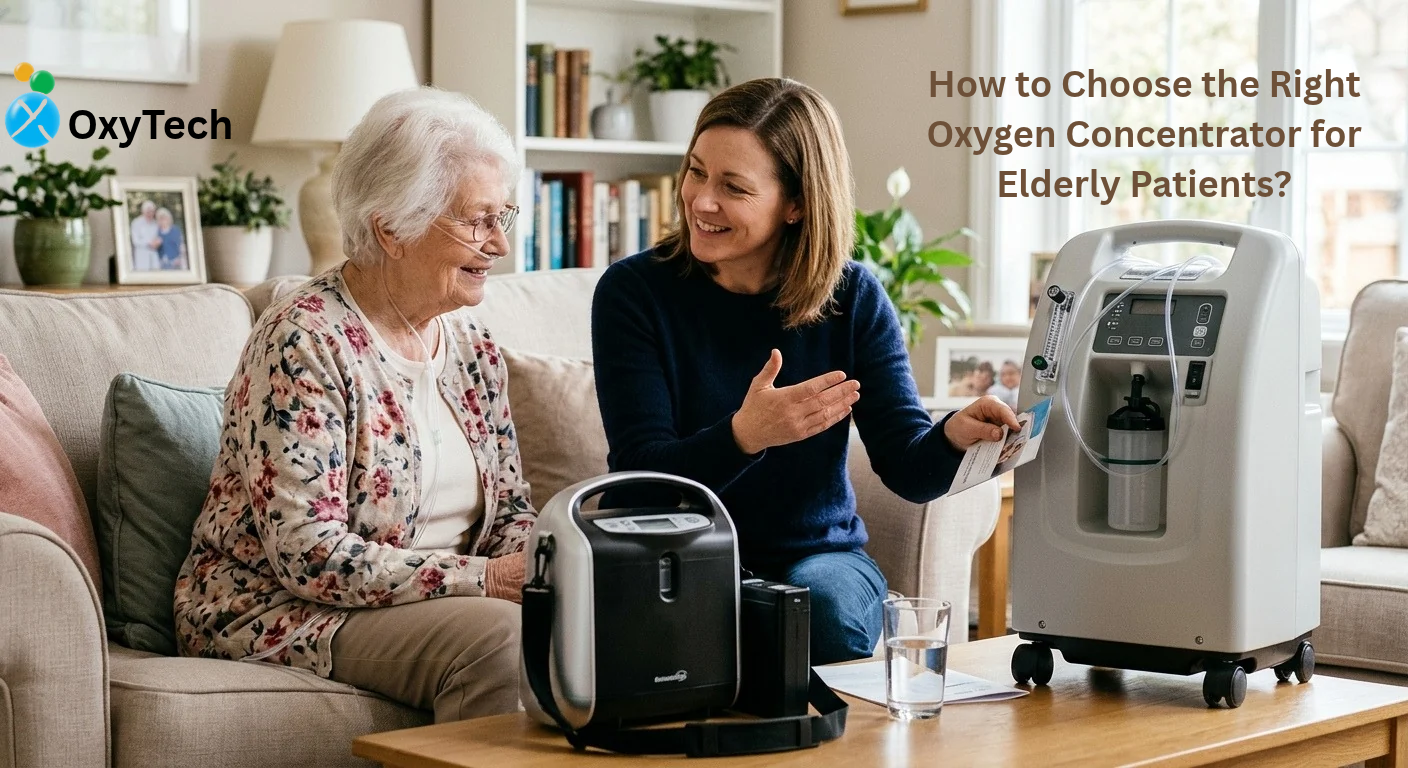
Stationary oxygen concentrators are generally designed for home use. They are suitable for patients who spend most of their time in one location and need a reliable supply of prescribed oxygen. Many models include wheels for easier movement between rooms, although their weight can make frequent transport difficult.
Portable oxygen concentrators are designed to make movement outside the home more convenient. Depending on the model, they may feature rechargeable batteries, carrying bags, and vehicle charging options. They can be useful for medical appointments, family visits, and other outings when the patient's prescription and device capabilities allow.
When choosing between the two, consider the patient's daily routine, battery requirements, mobility, and prescribed oxygen delivery mode. A portable device should not be selected solely because it is lightweight; it must also meet the patient's medical needs.
Ease of Use and Readability
Elderly patients may have difficulty operating devices with complicated controls, small buttons, or unclear displays. A user-friendly oxygen concentrator can make daily oxygen therapy simpler for both patients and caregivers.
Look for clearly labelled controls, a readable digital display, simple adjustment procedures, and easy-to-understand alarms. Large buttons and straightforward instructions can be particularly helpful for patients with reduced vision or limited hand mobility.
The device should also allow caregivers to check its operating status quickly. Before purchasing, ask the supplier for a demonstration and confirm that the patient or caregiver understands how to start the machine, connect the tubing, identify alarms, and respond to common issues.
Noise Level, Comfort, and Safety
Comfort is essential when an elderly patient uses an oxygen concentrator for several hours a day. A noisy machine may disturb sleep or interfere with conversations, especially in smaller homes.
Check the manufacturer's stated noise level and consider where the machine will be positioned. Ensure sufficient ventilation around the unit and follow the manufacturer's instructions for safe placement.
Safety features such as power-failure alarms, low-oxygen alerts, and overheating protection can provide additional reassurance. Their availability varies by model, so check the specifications before buying.
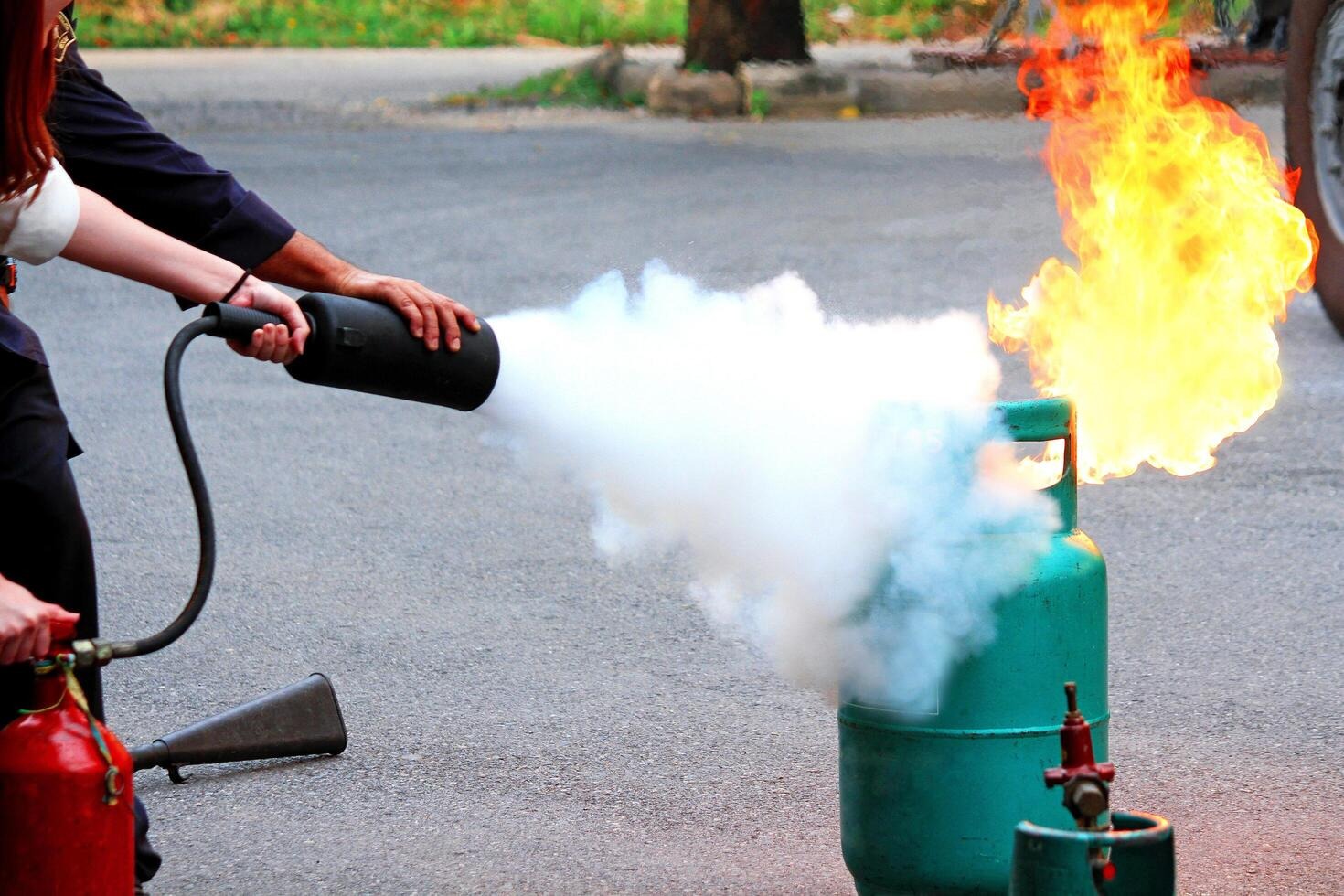
Oxygen itself supports combustion, meaning materials can ignite more easily in oxygen-enriched environments. Keep the device away from smoking, open flames, candles, and heat sources. Never use oil-based products near oxygen equipment unless a healthcare professional confirms they are compatible.
Oxygen Concentrator Price in Saudi Arabia
The oxygen concentrator price in Saudi Arabia varies according to the device's capacity, brand, portability, battery performance, features, and warranty coverage. A basic stationary unit designed for home use will generally cost less than an advanced portable concentrator with rechargeable batteries.
As an illustrative market guide, basic stationary models may cost around SAR 1,700–4,500, while portable models can cost considerably more, depending on their specifications and brand. These are approximate examples, not fixed quotations; actual prices should be confirmed with suppliers.
When comparing an oxygen concentrator in Saudi Arabia, consider the total cost of ownership rather than the initial purchase price alone. Ask whether the quoted price includes delivery, accessories, warranty coverage, maintenance, and technical support.
Families should also verify that the equipment meets applicable Saudi medical-device requirements and that service assistance is available when needed. OxyTech provides healthcare solutions in Saudi Arabia, and interested customers can contact its team to enquire about suitable equipment and availability.
Making an informed decision can help families balance affordability, reliability, and the patient's long-term needs.
Oxygen Concentrator Maintenance for Elderly Patients
Regular maintenance helps an oxygen concentrator operate reliably and supports safe, consistent use. Elderly patients may need assistance from family members or caregivers to complete routine checks.
Follow these maintenance practices:
- Clean the exterior regularly: Wipe the outer surface with a soft cloth according to the manufacturer's instructions. Disconnect the device from power before cleaning when required.
- Maintain the filters: Inspect and clean or replace filters according to the user manual. Some filters are washable, while others must be replaced.
- Check the tubing and cannula: Look for kinks, cracks, blockages, or signs of wear. Replace accessories as recommended.
- Keep the air vents clear: Position the machine in a well-ventilated area and avoid blocking its air intake or exhaust.
- Monitor alarms: Learn what each warning means and contact the supplier or service technician if an alarm persists.
- Arrange professional servicing: Follow the manufacturer's maintenance schedule and seek qualified assistance if performance changes or repairs are required.
- Plan for power interruptions: Ask the healthcare provider about an appropriate backup oxygen plan, particularly if the patient depends on continuous oxygen therapy.
Caregivers should also ensure that the patient uses the device exactly as prescribed. If breathing suddenly worsens, seek urgent medical assistance rather than relying on the concentrator alone.
Conclusion
Choosing the right oxygen concentrator for elderly patients requires attention to medical needs, delivery mode, comfort, usability, safety, and maintenance. A stationary model may suit an older adult who primarily stays at home, while a portable option may be appropriate for someone who needs greater mobility and whose prescription can be met by that device.
For families researching an oxygen concentrator in Saudi Arabia, comparing specifications, checking warranty terms, and confirming local technical support are important steps towards making a confident decision.
With guidance from a qualified healthcare professional and assistance from a reliable medical equipment supplier, families can choose a suitable oxygen concentrator that supports prescribed therapy and makes everyday care more manageable.