


Fire Prevention and Fire Protection: A Complete Guide for Safer Homes, Workplaces, and Buildings
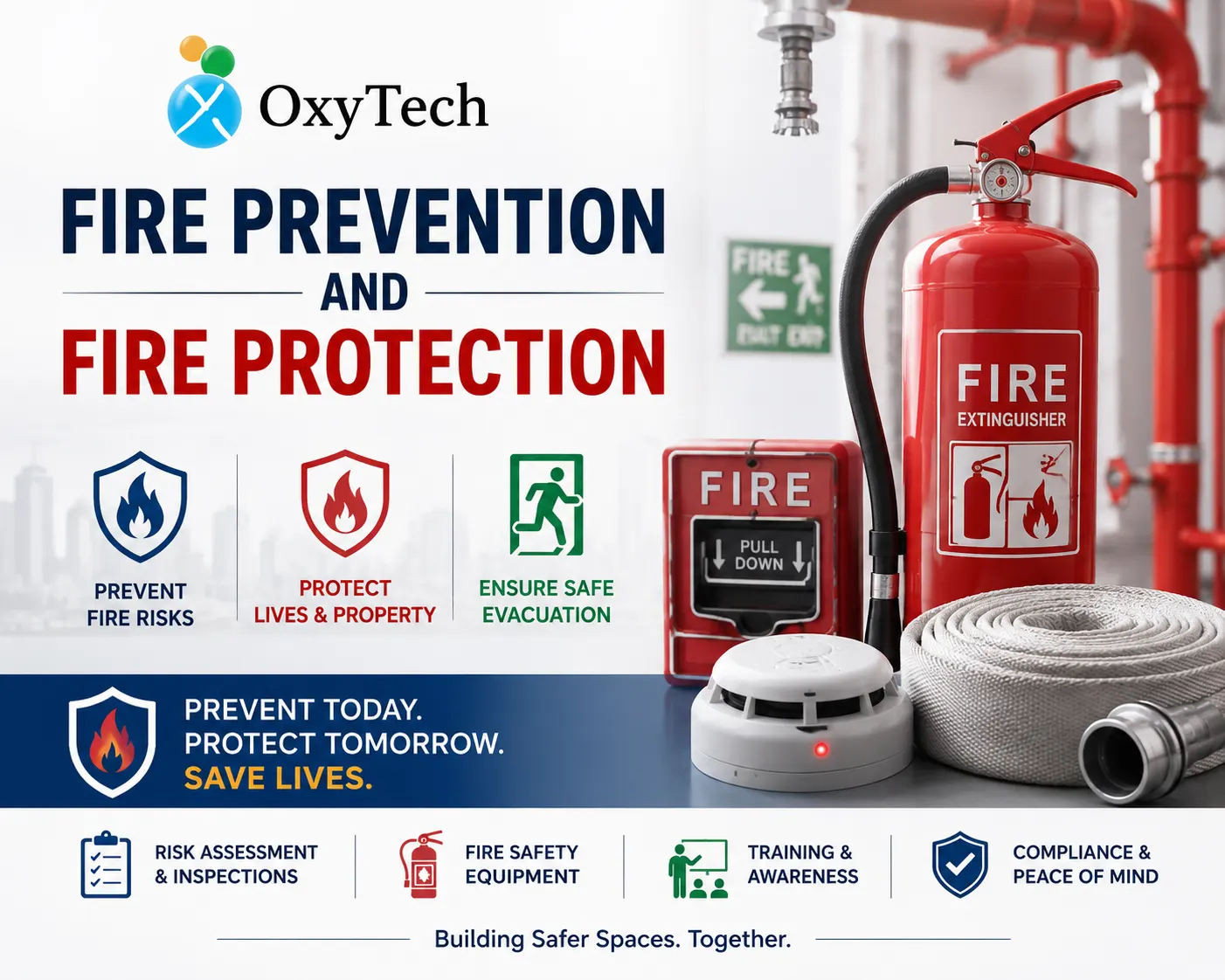
Fire Prevention And Fire Protection are two essential components of an effective fire safety strategy. Fire prevention focuses on reducing the risk of a fire by identifying hazards, maintaining electrical systems, storing flammable materials safely, and following proper safety procedures. Fire protection, on the other hand, is designed to minimize the impact of a fire if it occurs through fire alarms, sprinkler systems, fire extinguishers, smoke detectors, and emergency evacuation plans. Together, these measures help protect lives, reduce property damage, ensure business continuity, support regulatory compliance, and create a safer environment for employees, customers, and visitors.
What Fire Prevention Means
Fire Prevention is the practice of stopping fires before they start. It focuses on identifying common hazards, removing ignition sources, and building safer habits in homes, offices, factories, and construction sites. The goal is simple: reduce risk at the source.
Common fire risks include faulty wiring, unattended cooking, overloaded outlets, improper storage of flammable materials, smoking materials, and unsafe use of heaters. In many settings, human behavior matters just as much as equipment, which is why training and awareness are key parts of prevention. Good fire prevention is not a single action; it is a routine system.
What Fire Protection Means
Fire protection refers to the systems and measures that help detect, control, contain, or suppress a fire once it starts. These measures include smoke alarms, sprinklers, fire extinguishers, fire doors, alarms, emergency lighting, and evacuation planning. Fire protection is about limiting harm when prevention is not enough.
In practice, fire protection is both active and passive. Active systems respond directly, such as sprinklers and extinguishers, while passive systems slow fire spread, such as compartment walls, fire-rated doors, and building separation. Together, they support safe evacuation and reduce property loss.
Why Both Matter
Fire prevention alone cannot eliminate every risk, because accidents, electrical faults, and human error still happen. Fire protection alone is also not enough, because the best outcome is always to stop a fire before it grows. That is why safety programs should combine both approaches.
A strong fire safety plan lowers the chance of ignition, detects danger early, and ensures people know what to do next. This combination matters in homes, schools, hospitals, warehouses, hotels, and workplaces of every size. The most effective fire safety systems are layered, practical, and regularly maintained.
Common Fire Causes
The most common fire causes are often predictable, which means many incidents are preventable. Cooking fires remain one of the biggest risks in homes, especially when food is left unattended. Heating equipment, candles, smoking materials, and electrical problems are also major causes.
In workplaces, risk often comes from hot work, temporary heating, poor housekeeping, unsafe storage of chemicals, and overloaded electrical systems. Construction sites may face extra danger because of open materials, flammable dust, and frequent equipment movement. Understanding the source of risk is the first step toward control.
Prevention At Home
Home fire prevention starts with simple habits. Never leave cooking unattended, keep flammable items away from stoves and heaters, and avoid overloading sockets or extension cords. Smoke alarms should be installed in the right locations and tested regularly.
Households should also create and practice an escape plan. Every person should know at least two ways out, where to meet outside, and how to respond if a door feels hot or a room fills with smoke. Small steps like these can save lives because fires can spread very quickly.
Prevention At Work
Workplace fire prevention depends on policies, training, and daily discipline. Employers should identify fire hazards, store flammable materials correctly, maintain electrical systems, and enforce housekeeping rules. Workers should know how to report unsafe conditions and how to respond during an emergency.
Hot work such as welding or cutting needs special controls. This includes removing nearby combustibles, using fire-resistant barriers, keeping extinguishers nearby, and assigning fire watch where needed. Regular training matters because people are far more effective when they know how to act before a small hazard becomes a serious incident.
Protection Systems That Help
Fire protection systems are designed to detect and control fire early. Smoke alarms provide the first warning, fire extinguishers help with small fires, and sprinkler systems can control fire spread in larger buildings. Fire-rated doors and walls help contain flames and smoke long enough for evacuation.
Emergency lighting, exit signs, and alarm systems support safe movement during low visibility. In larger facilities, fire pumps, hydrants, and standpipe systems may also be part of the protection plan. The right mix depends on the building type, the number of occupants, and the level of risk.
Fire Extinguishers And Use
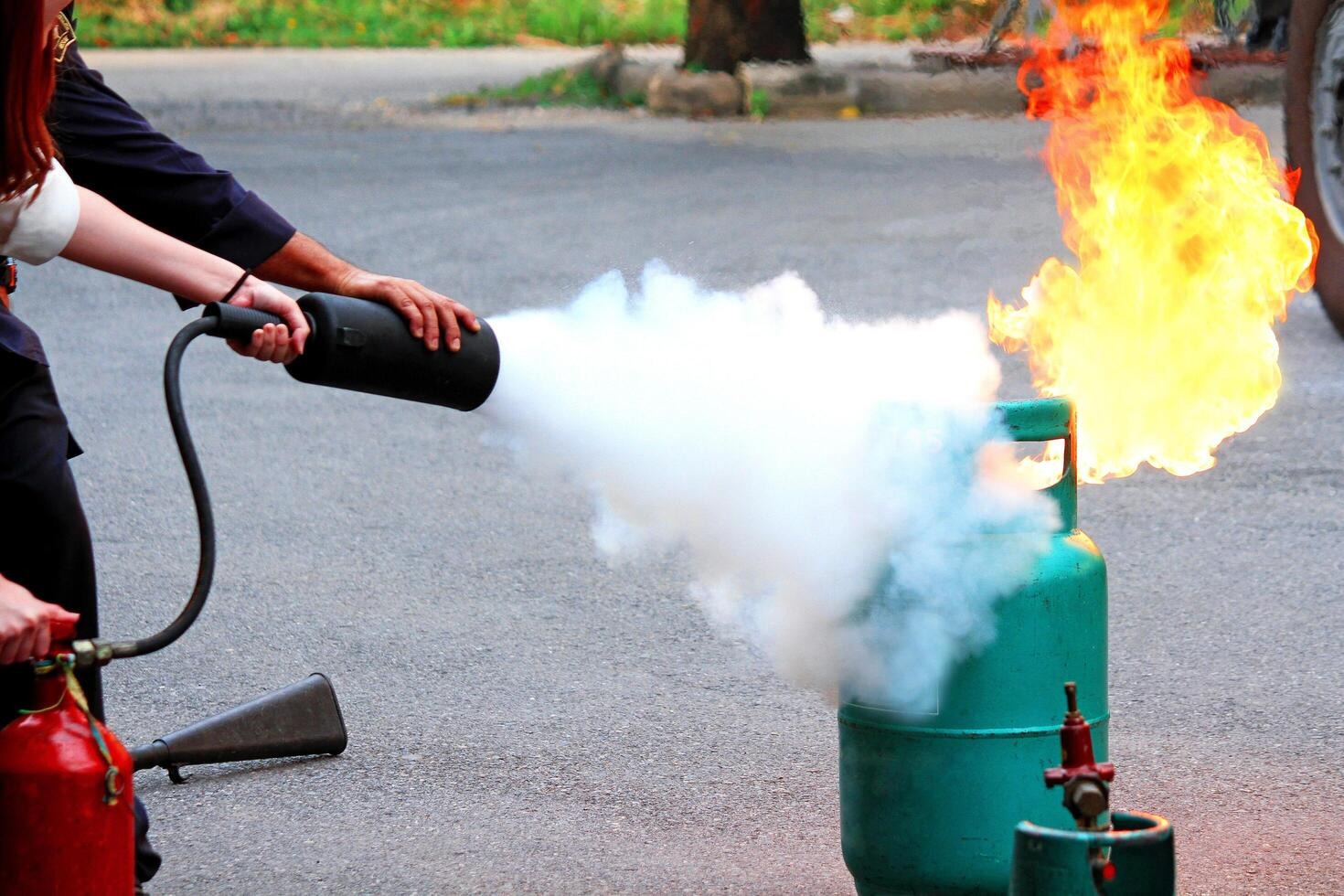
Fire extinguishers are useful only when people know when and how to use them. They are meant for small, contained fires, not for situations where flames are spreading rapidly or smoke is heavy. Safety comes first, and evacuation should never be delayed just to try to fight a dangerous fire.
The basic approach is often remembered as PASS: pull the pin, aim at the base of the fire, squeeze the handle, and sweep side to side. Different extinguisher types are designed for different fire classes, so selection and training matter. A wrong choice can be ineffective or unsafe.
Detection And Alarm Systems
Early detection is one of the most important parts of fire protection. Smoke alarms warn occupants before conditions become deadly, giving people time to escape. In many buildings, alarms are connected to a wider fire alarm system that alerts occupants and emergency responders.
Detection systems should be tested, inspected, and maintained on schedule. Batteries, sensors, and control panels can fail if they are ignored. A system only works well when it is reliable, visible, and understood by the people who depend on it.
Building Design And Passive Safety
Building design plays a major role in fire safety. Fire-resistant materials, compartmentation, escape routes, and fire doors can slow fire spread and protect occupants. Good design makes evacuation easier and reduces the chance that one small fire becomes a building-wide disaster.
Passive fire protection is especially important because it does not depend on someone pressing a button or using equipment correctly in the moment. It works through structure, materials, and layout. That makes it a silent but powerful part of fire safety planning.
Emergency Planning And Drills
A fire plan is only useful if people know it and practice it. Every building should have clear evacuation routes, assembly points, and procedures for reporting a fire. People should understand how to leave quickly, assist others safely, and avoid elevators during emergencies.
Drills help turn a written plan into real behavior. They reduce panic, reveal weak points in the plan, and improve response time. In families and organizations alike, practice builds confidence and helps people act calmly when seconds matter.
Maintenance And Inspection
Fire safety depends on regular maintenance. Alarms, extinguishers, emergency lights, electrical systems, sprinklers, and exit paths should all be checked on schedule. A blocked exit or a neglected detector can turn a manageable incident into a tragedy.
Inspections should also look for changes in risk. New equipment, layout changes, storage changes, and added occupants can all affect fire safety. A good system is never “set and forget”; it is reviewed, updated, and improved over time.
Fire Safety In High-Risk Sites
Some locations need stronger controls because the fire risk is higher. Warehouses, factories, laboratories, kitchens, hospitals, and construction sites often contain ignition sources, fuel loads, or vulnerable occupants. These settings require a more detailed fire safety plan than a low-risk office or home.
In these environments, extra attention should be given to storage, ventilation, hot work, emergency access, and staff training. Fire protection equipment should be easy to reach and appropriate for the specific hazards present. The safest systems are tailored to the actual environment, not copied from a generic checklist.
How To Build A Fire Safety Plan
A Practical Fire Safety Plan begins with a hazard review. Identify what could start a fire, what could make it spread, and who could be harmed if evacuation becomes necessary. Then put controls in place for prevention, detection, response, and recovery.
The plan should include clear responsibilities, emergency contacts, training schedules, inspection routines, and evacuation steps. It should be written in simple language so that workers, family members, or building occupants can understand it quickly. A strong plan is short enough to use, but detailed enough to be effective.
Final Takeaway
Fire Prevention And Fire Protection work best together. Prevention reduces the chance of fire, while protection improves detection, control, and escape when something still goes wrong. A safe home, workplace, or building depends on both.
The most effective approach is simple: reduce hazards, install the right systems, inspect them regularly, and make sure people know the plan. When these layers work together, fire risk drops and safety rises.