


Oxygen Machines – Complete Guide by OxyTech
Oxygen Machines have become essential in modern healthcare, providing a reliable source of medical-grade oxygen for patients worldwide. As demand surges due to aging populations and respiratory conditions like COPD, selecting the right equipment matters more than ever. Manufacturers like OxyTech, with years of experience in producing high-quality oxygen machines, ensure hospitals, clinics, and home users receive dependable solutions. And We are also a reliable Gas Cylinders Supplier in Saudi Arabia.
1. Introduction
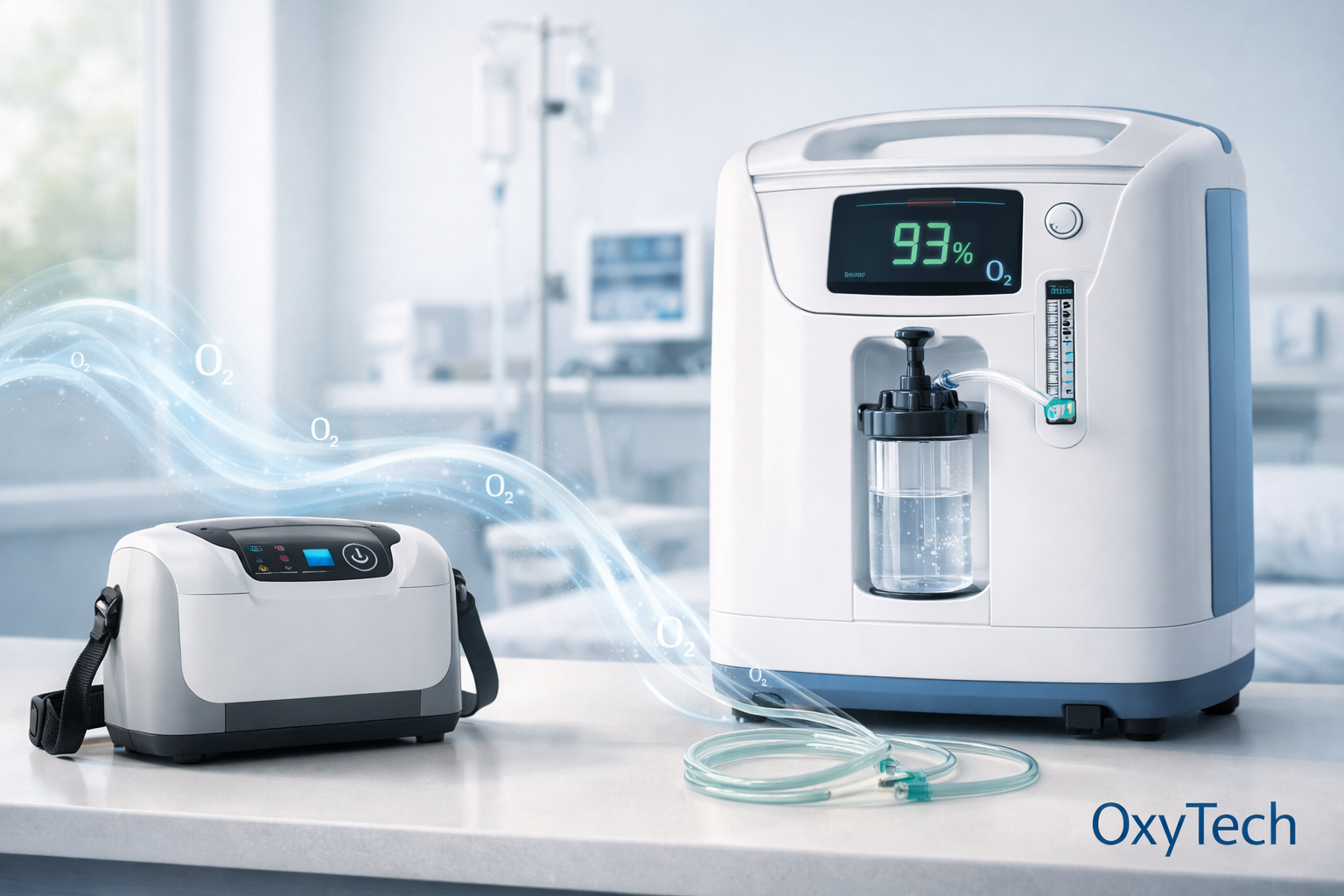
Oxygen machines, also known as oxygen concentrators, extract and purify oxygen from ambient air to support breathing. These devices meet critical needs in hospitals, homes, and emergency settings, especially amid rising global cases of respiratory illnesses.
The global market for oxygen machines is expanding rapidly, driven by healthcare infrastructure growth in regions like the Middle East, North America, and India. Reliable manufacturers like OxyTech play a key role, supplying oxygen machines to distributors, clinics, and homecare providers with a focus on quality and compliance.
Choosing trustworthy oxygen machine suppliers prevents risks like equipment failure during critical moments. This guide covers everything from types and applications to selection tips, drawing on industry expertise.
2. What Are Oxygen Machines?
An oxygen machine is a medical device that concentrates oxygen from room air, delivering it at prescribed purity levels for therapeutic use. Unlike traditional supplies, it generates oxygen on-demand without refills.
How Oxygen Machines Work (Step-by-Step)
Oxygen machines operate through a precise process:
- Air Intake: Ambient air, containing 21% oxygen, enters via a compressor.
- Filtration: Dust and impurities pass through pre-filters.
- Adsorption: Nitrogen is separated using Pressure Swing Adsorption (PSA) in molecular sieve beds.
- Oxygen Delivery: Purified oxygen (90-95% purity) flows out through humidifiers or cannulas.
- Exhaust: Nitrogen-rich air vents safely outside.
This cycle repeats continuously, making oxygen machines efficient for long-term use.
Difference Between Oxygen Machines and Oxygen Cylinders
| Feature | Oxygen Machines (Concentrators) | Oxygen Cylinders |
|---|---|---|
| Oxygen Source | Generates from air | Pre-filled compressed gas |
| Portability | Varies (portable models available) | Heavy, requires transport |
| Duration | Unlimited with power | Limited by cylinder size |
| Cost Over Time | Lower long-term (no refills) | Higher due to refills |
| Maintenance | Regular filter changes | Cylinder inspections |
Oxygen machines offer convenience for continuous therapy, while cylinders suit short-term or backup needs. Hospitals often use both strategically.
3. Types of Oxygen Machines
Oxygen machines come in various designs to match specific environments and mobility needs.
Portable Oxygen Machines
These lightweight units, weighing 2-10 kg, run on batteries for 4-12 hours. Ideal for patients on the move, portable oxygen machines like pulse-dose models conserve energy by delivering oxygen on inhalation.
Stationary Oxygen Machines
Designed for fixed locations, these deliver continuous flow up to 10 LPM. They power homes or clinics reliably, with models from OxyTech supporting high-demand settings.
Home-Use vs Hospital-Grade Machines
- Home-Use: Compact, quiet (under 45 dB), 1-5 LPM, user-friendly interfaces.
- Hospital-Grade: Robust, 5-20 LPM, alarms for low purity, networked monitoring.
Industrial & ICU-Grade Machines
Industrial oxygen machines produce high volumes for manufacturing or backup systems. ICU-grade versions integrate with ventilators, ensuring 93%+ purity under pressure for critical care.
4. Medical Applications of Oxygen Machines
Oxygen machines support diverse healthcare scenarios, enhancing patient outcomes.
Hospitals
In wards and operating rooms, stationary oxygen machines supply multiple beds via manifolds, reducing logistics costs.
Clinics
Portable and mid-size units aid outpatient treatments for asthma or post-surgery recovery, offering flexibility in smaller spaces.
Emergency & ICU
During crises like pandemics, high-capacity oxygen machines in ICUs maintain ventilator flows, with purity alarms preventing hypoxia risks.
Home Healthcare & Long-Term Care
For chronic patients, home oxygen machines enable independent living, integrated with telehealth for remote monitoring.
OxyTech supplies these across sectors, prioritizing durability for real-world demands.
5. Key Components & Technology Used
Understanding internals ensures informed purchases.
Compressor
The heart of the machine, it pressurizes air to 5-10 bar for efficient separation.
PSA (Pressure Swing Adsorption) Technology
PSA uses zeolite sieves to adsorb nitrogen at high pressure, releasing it at low pressure. Dual beds alternate for uninterrupted flow, achieving 90-95% oxygen purity.
Sieve Beds
Molecular sieves trap nitrogen molecules, with lifespan of 10,000+ hours in quality units.
Oxygen Purity Monitoring Systems
Sensors measure O2 levels in real-time, alarming below 85%. Advanced models log data for compliance.
These components, refined by experienced manufacturers, drive reliability.
6. Oxygen Machine Specifications Explained
Key specs guide selection for optimal performance.
Flow Rate (LPM)
Measured in Liters Per Minute (1-20 LPM). Low-flow (1-5 LPM) suits home use; high-flow (10+ LPM) for ICUs.
Oxygen Concentration Levels
Typically 87-95%; medical standards require ≥90%. Monitors ensure consistency.
Noise Levels
Home models <45 dB (whisper-quiet); industrial up to 60 dB.
Power Consumption
200-600W average; battery backups extend uptime.
Machine Lifespan & Warranty
Quality units last 5-10 years with maintenance; warranties cover 3-5 years from reputable suppliers.
| Spec | Home Use | Hospital Use |
|---|---|---|
| Flow Rate | 1-5 LPM | 5-20 LPM |
| Purity | 90%+ | 93%+ |
| Noise | <45 dB | <55 dB |
| Power | 200-400W | 400-800W |
7. How to Choose the Right Oxygen Machine
Tailor choices to user needs.
For Patients
Assess prescription (flow rate), mobility (portable vs stationary), and budget. Test for comfort and noise.
For Hospitals & Clinics
Prioritize scalability, alarms, and integration. High LPM and purity for multi-patient setups.
Bulk Purchasing Guide for Distributors & Wholesalers
Evaluate supplier capacity, customization options, and lead times. Oxygen machine wholesalers like OxyTech offer volume discounts and logistics support.
Compare via trials, certifications, and after-sales service.
8. Manufacturing Standards & Quality Control at OxyTech
OxyTech adheres to global benchmarks for oxygen machines.
ISO & CE Certifications
ISO 13485 for medical devices, CE marking for EU compliance ensure rigorous processes.
Medical Device Compliance
Meets FDA, WHO guidelines with Class IIa classification.
Quality Testing Process
- Incoming material checks.
- Assembly-line purity tests.
- 24/48-hour burn-in simulations.
- Final audits before shipment.
Reliability & Safety Assurance
Fail-safes like overheat protection and leak detectors. OxyTech's track record minimizes downtime.
9. Why Buy Oxygen Machines from a Manufacturer & Wholesaler
Direct sourcing unlocks advantages.
Cost Advantages
Eliminate middlemen; wholesale pricing 20-40% lower.
Custom Manufacturing
Tailor specs like flow rates or branding for specific markets.
Bulk Supply Reliability
Consistent stock, global shipping from facilities like OxyTech's.
After-Sales & Technical Support
On-site training, spare parts, 24/7 helplines enhance longevity.
Distributors benefit from scalable partnerships.
10. Maintenance, Safety & Best Practices
Proper care extends life.
Daily & Periodic Maintenance
- Wipe filters daily.
- Replace bacterial filters monthly.
- Service sieve beds yearly.
Safety Guidelines
Use in ventilated areas; avoid smoking nearby. Ground plugs prevent shocks.
Common User Mistakes to Avoid
Overloading flow rates, ignoring alarms, skipping purity checks. Train users thoroughly.
11. Oxygen Machines Price Factors (No Exact Pricing)
Costs vary widely.
What Affects Cost
- Capacity (LPM): Higher flow increases price.
- Technology: PSA vs membrane.
- Build: Portable adds battery costs.
- Certifications: Compliance raises standards.
Wholesale vs Retail Pricing Logic
Wholesalers secure bulk deals; retail includes margins. Long-term savings favor direct manufacturer buys like from OxyTech suppliers.
12. FAQs
What is an oxygen machine?
An oxygen machine, or concentrator, pulls oxygen from air using PSA technology, delivering 90-95% pure oxygen for medical use.
How does a medical oxygen machine differ from a regular one?
Medical oxygen machines meet purity and safety standards (≥90% O2) for therapy; non-medical lack compliance.
What is the best portable oxygen machine for travel?
Look for 1-3 LPM pulse-dose models under 5 kg with 8+ hour battery life.
Are oxygen machines safe for home use?
Yes, with proper maintenance and ventilation; alarms detect low purity or faults.
How often should I replace filters in an oxygen machine?
Foam filters weekly, HEPA monthly, sieve beds every 1-2 years.
What is the average lifespan of an oxygen concentrator?
5-10 years with regular servicing.
Can oxygen machines be used in hospitals?
Yes, hospital-grade models support 10-20 LPM with monitoring for ICUs.
What is PSA technology in oxygen machines?
Pressure Swing Adsorption separates nitrogen from air using zeolite sieves for continuous oxygen production.
Do oxygen machines need electricity?
Yes, primarily; backups include batteries or cylinders.
What oxygen purity level is safe for patients?
90-95%; below 85% triggers medical alerts.
How to choose an oxygen machine manufacturer?
Prioritize ISO/CE certified suppliers with proven quality control, like experienced wholesalers.
What maintenance does a stationary oxygen machine require?
Daily cleaning, monthly filter swaps, annual professional service.
Can I buy oxygen concentrators wholesale?
Yes, manufacturers offer bulk deals with customization for distributors.
What are common issues with oxygen machines?
Low purity from dirty filters or compressor faults; addressed via routine checks.
Is noise a concern for home oxygen machines?
Quality models operate below 45 dB, comparable to a quiet conversation.
How do oxygen machine suppliers ensure reliability?
Through certifications, testing, and after-sales support.
What flow rate do I need for COPD patients?
Typically 1-5 LPM; consult physicians for prescriptions.
Are there industrial oxygen machines?
Yes, high-capacity units for manufacturing or medical backups.
What warranty do oxygen machines come with?
Usually 3-5 years from reputable brands.
Can oxygen machines replace cylinders entirely?
For continuous use, yes; cylinders serve as portable backups.
13. Conclusion
Oxygen machines revolutionize respiratory care with reliable, on-demand supply across homes, clinics, and hospitals. From portable units to ICU powerhouses, key factors like purity, flow, and maintenance ensure effectiveness.
OxyTech exemplifies trust through quality manufacturing, certifications, and support, helping distributors and providers meet demands. Prioritize expertise and compliance for the best outcomes.