



Laboratory Safety Rules: 25 Essential Rules Every Lab Professional Must Follow
Laboratory Safety Rules are a set of mandatory guidelines that protect workers, colleagues, and research integrity when working with hazardous chemicals, biological agents, sharp instruments, and specialized equipment. These rules are grounded in OSHA's Laboratory Standard (29 CFR 1910.1450), NIH biosafety guidelines, and NFPA 45 fire protection standards.
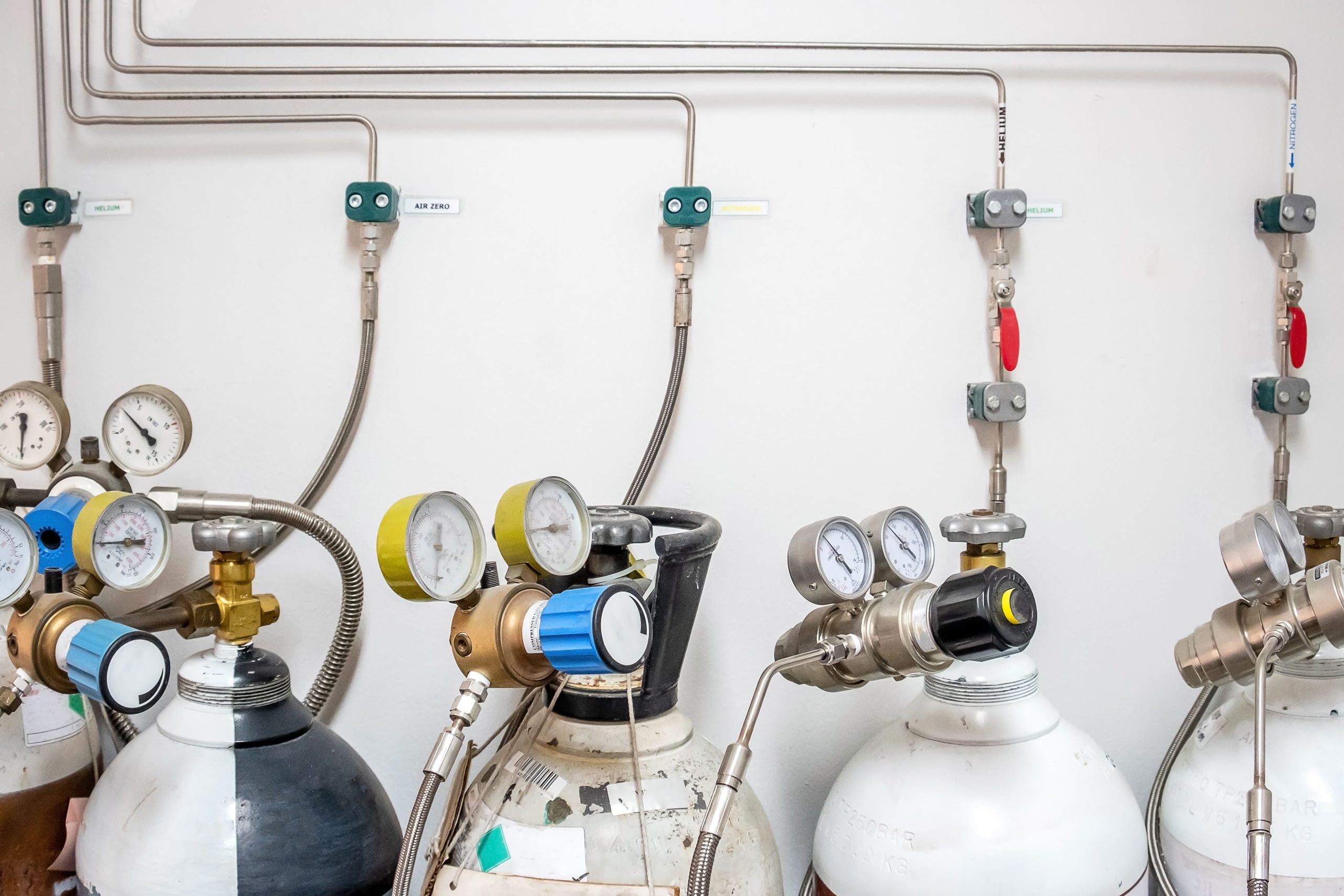
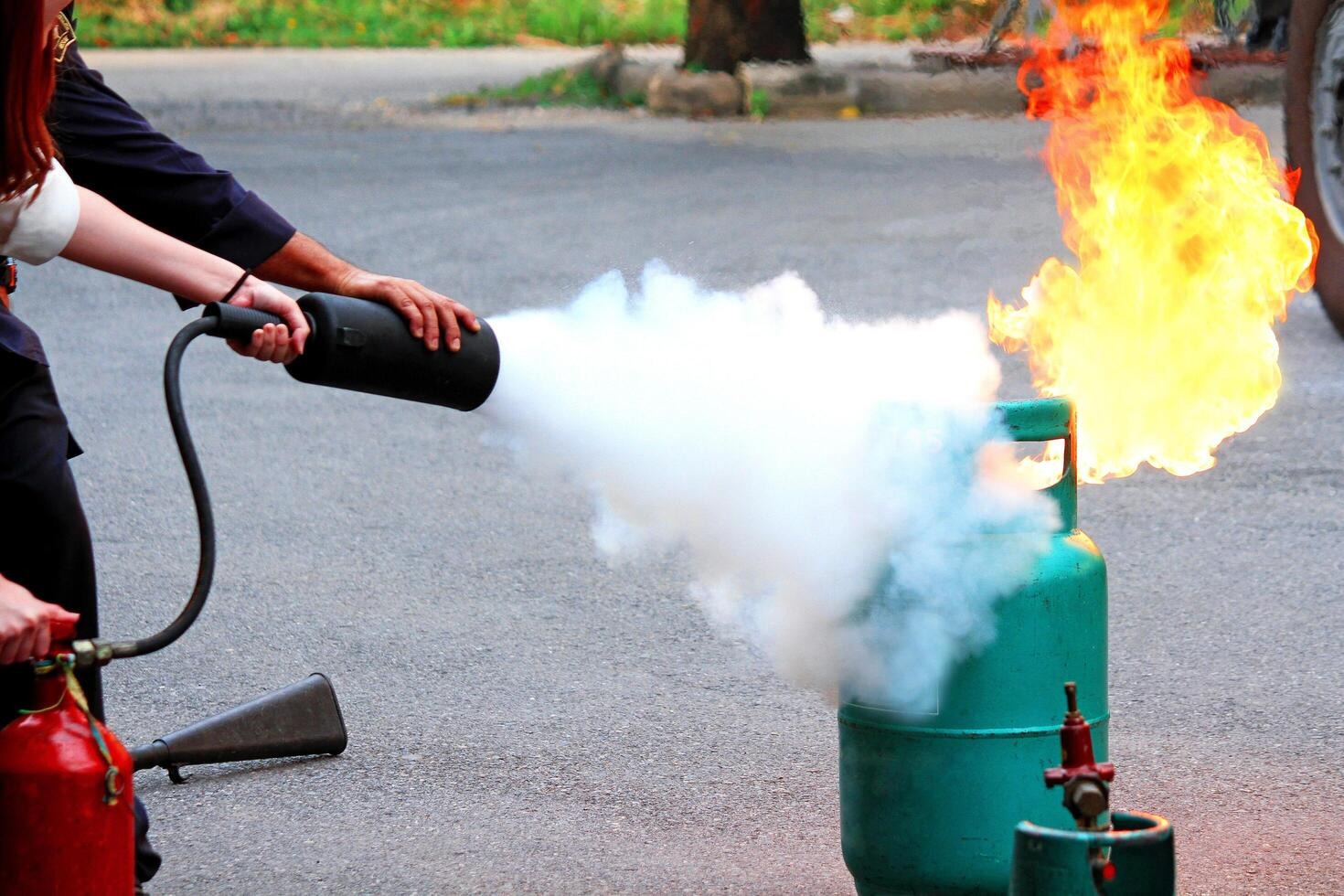
Violating even one rule can be catastrophic. In 2016, a postdoctoral researcher at the University of Hawaii lost her arm when a pressurized gas tank exploded due to improper grounding — a direct result of ignoring equipment safety protocols. Studies show that nearly 70% of laboratory accidents are caused by avoidable human error, not equipment failure.
This guide covers the 25 most critical laboratory safety rules, organized by category, with clear explanations of what to do and why it matters.
What Are the Basic Laboratory Safety Rules?
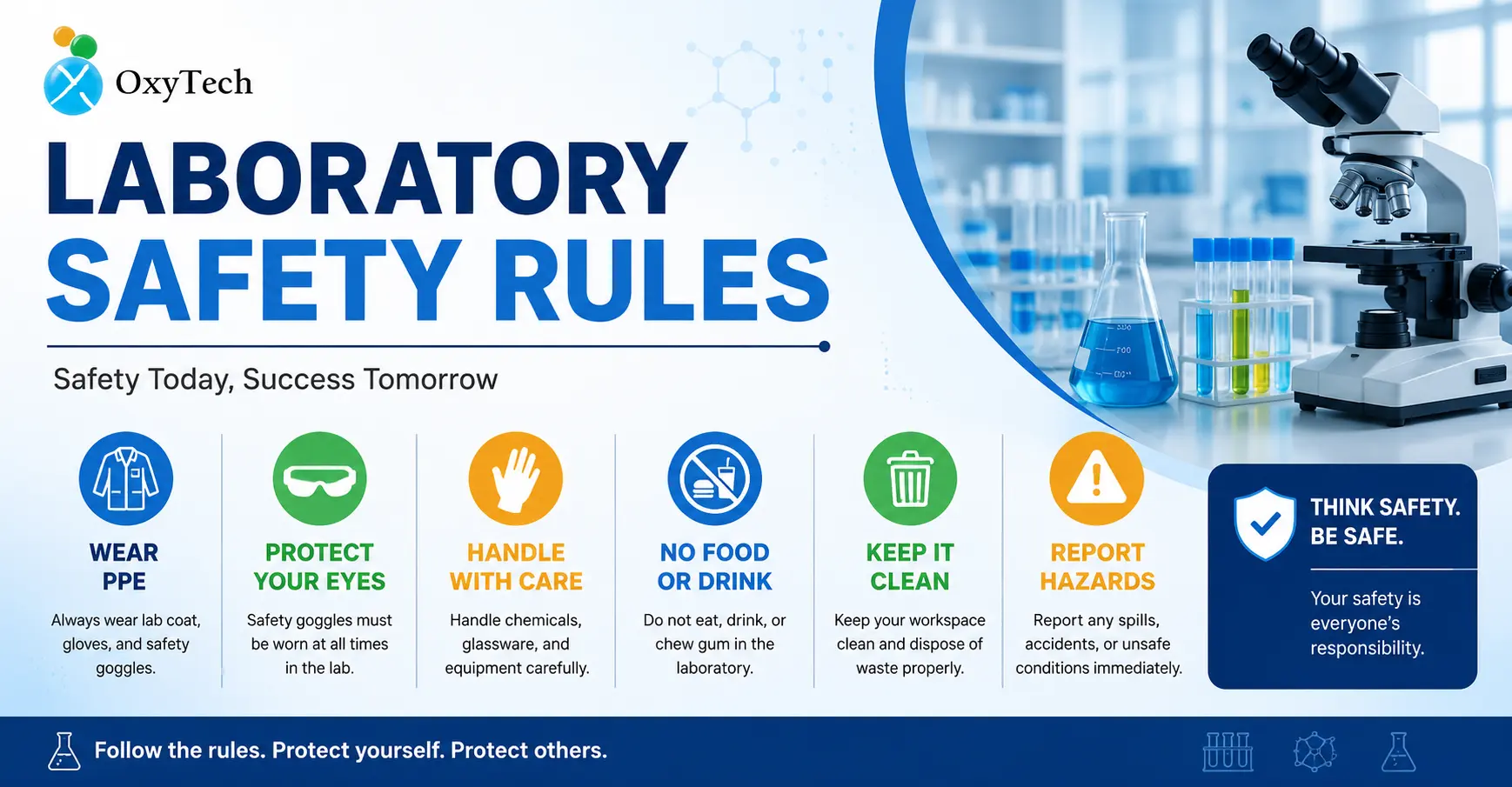
The basic laboratory safety rules include always wearing appropriate PPE (goggles, lab coat, gloves, and closed-toe shoes), never working alone, knowing the location of all emergency equipment, reading Safety Data Sheets before handling any chemical, and properly labeling and disposing of all hazardous materials.
These form the foundation. Everything else builds on them.
Personal Protective Equipment (PPE) Rules
Rule 1: Always Wear Appropriate PPE Before Entering the Lab
PPE is your last line of defense between you and a hazard. At minimum, this means safety goggles (not regular glasses), a lab coat, chemical-resistant gloves appropriate for the substances you're handling, and fully closed-toe shoes. Face shields are required when working with corrosive, toxic, or reactive substances.
The type of glove matters significantly. Nitrile gloves protect against many common chemicals but offer no protection against some solvents like acetone. Always check the glove compatibility chart for every chemical you handle.
Rule 2: Dress Appropriately for Lab Work
Long hair must be tied back. Dangling jewelry, scarves, and loose sleeves must be removed or secured. Loose clothing can catch in centrifuges, rotary evaporators, and other rotating equipment — often with serious consequences. Synthetic fabrics can melt in a fire; cotton or flame-resistant fabrics are preferred.
Rule 3: Never Wear Contact Lenses Around Chemical Hazards
Contact lenses can trap chemical vapors and splashes against the eye, even when you're wearing safety glasses. The contact lens may absorb the chemical or prevent effective flushing during an eyewash emergency. Wear prescription safety goggles instead.
Rule 4: Wear Closed-Toe Shoes at All Times
Sandals, flip-flops, mesh sneakers, and perforated shoes are prohibited in any laboratory. A single dropped bottle of sulfuric acid or a piece of broken Pyrex can cause permanent injury to unprotected feet.
Rule 5: Use the Correct Gloves and Replace Them When Contaminated
Contaminated gloves that touch door handles, phones, keyboards, or your face spread hazardous materials throughout the facility. Remove gloves using the inside-out pinch technique, dispose of them properly, and wash your hands immediately. Never reuse single-use gloves.
Chemical Handling and Storage Rules
Rule 6: Read the Safety Data Sheet (SDS) Before Handling Any Chemical
An SDS (formerly MSDS) is a legally required document that contains 16 sections of critical safety information: physical and chemical properties, toxicity data, flammability, reactivity, exposure limits, first aid measures, and disposal requirements. OSHA's Hazard Communication Standard (29 CFR 1910.1200) requires SDSs for all hazardous chemicals. Never begin an experiment without reviewing the SDS for every substance involved.
Rule 7: Always Add Acid to Water — Never Water to Acid
This is one of the most critical rules in chemistry. Adding water to concentrated acid causes a violent, exothermic reaction that can splatter boiling acid onto your face and hands. Adding acid slowly to water dissipates the heat safely. Remember the phrase: "Do what you oughter — add acid to water."
Rule 8: Label Every Chemical Container Without Exception
Every container — including secondary containers, waste bottles, and temporary beakers — must display the chemical name, concentration, hazard class, date prepared, and the preparer's name. The GHS (Globally Harmonized System) label format with pictograms is now the standard in most countries. An unlabeled container should be treated as an unknown hazard and handled accordingly.
Rule 9: Never Leave Chemical Containers Open
Open containers allow vapors to accumulate, increasing the risk of inhalation exposure, flammable atmospheres, and unwanted reactions from moisture or air. Close caps immediately after use, even if you plan to return in minutes.
Rule 10: Work with Volatile Chemicals Only Inside a Fume Hood
A fume hood removes hazardous vapors at the source before they enter your breathing zone. Always keep the fume hood sash at or below the marked safe working height. Per NFPA 45 (2024 update), flammable chemicals must never be stored in fume hoods — they belong in approved flammable storage cabinets.
Rule 11: Never Taste, Smell, or Touch Chemicals Directly
Never deliberately sniff a chemical by holding it directly under your nose. If you need to detect an odor cautiously, the proper technique is "wafting" — using your hand to gently fan vapors toward your nose from a distance. Tasting any substance in a lab is absolutely prohibited without exception.
Rule 12: Avoid Adding Solids to Hot Liquids
Adding solids to already-hot liquids can cause sudden, violent boiling called "bumping," which can eject hot liquid out of the container. Always add solids before heating, or allow liquids to cool before adding solid reagents.
Emergency Preparedness Rules
Rule 13: Know the Exact Location of All Emergency Equipment Before You Start Work
On your first day in any new lab, locate all of the following within your workspace: eyewash stations (must be reachable within 10 seconds), safety showers, fire extinguishers, fire alarm pull stations, first aid kits, spill kits, and emergency shut-offs. You will not have time to search for these during an actual emergency.
Rule 14: Know at Least Two Emergency Exit Routes
Identify two separate exits from every lab you work in. One exit may be blocked by fire or a chemical spill. Never use elevators during emergencies. Emergency exit routes must remain clear of obstruction at all times.
Rule 15: Report Every Accident, Injury, or Near-Miss Immediately
Near-misses are warning signs of systemic safety failures. Report them immediately to your supervisor, even when nothing is injured and no damage is visible. OSHA requires records of work-related injuries and illnesses, but the true purpose is preventing the next, potentially more serious event.
Rule 16: Flush Chemical Exposures with Water for at Least 15 Minutes
If a chemical contacts skin or eyes, go immediately to the eyewash station or safety shower. Flush continuously for a minimum of 15 minutes — not 5, not 10. Remove contaminated clothing while flushing. Call for emergency help simultaneously. The 15-minute minimum is the standard recommended by ANSI Z358.1.
Work Area and Behavior Rules
Rule 17: Never Work Alone in the Laboratory
If you experience a chemical exposure, electrical shock, or sudden medical event while working alone, there is no one to call for help. Most institutions require supervisor permission before any solo lab work, and many prohibit it entirely during off-hours. If you must work alone, use a check-in system with someone outside the lab.
Rule 18: Keep Your Work Area Clean and Organized at All Times
Cluttered benches slow down your ability to react in an emergency. Spills must be cleaned up immediately. Aisles, emergency exits, and safety equipment must never be blocked. A clean lab is not just about appearance — it directly reduces accident rates.
Rule 19: Post Hazard Warning Signs for Unusual or Temporary Hazards
If your work involves lasers, high voltage, cryogenic materials, radioactive substances, or biological hazards, display appropriate warning signage at all entry points before beginning work. This protects colleagues who may enter without knowing what you are doing.
Rule 20: No Horseplay, Pranks, or Distracting Behavior in the Lab
This rule sounds obvious, but laboratory accidents have resulted from distractions as simple as someone being startled or jostled at the wrong moment. The lab demands sustained attention. Treat every experiment as requiring your full focus.
Equipment Safety Rules
Rule 21: Only Use Equipment for Its Designed and Authorized Purpose
Improvising with Laboratory Equipment — using a beaker as a heat shield, modifying electrical connections, or substituting glassware grades — introduces unpredictable hazards. If a procedure requires equipment you don't have, request it through proper channels. Never modify high-voltage equipment, lasers, or pressure vessels without authorization.
Rule 22: Never Leave Heating, Reacting, or Running Equipment Unattended
Boiling flasks can run dry. Reactions can accelerate unexpectedly. Instruments can malfunction. If you must leave an active experiment, arrange for a qualified colleague to monitor it. Post a note on the equipment describing what is running, expected completion time, and your contact information.
Rule 23: Never Use Mouth Suction for Pipetting
Mouth pipetting was once standard practice. It is now strictly prohibited. Pipette bulbs, pipette pumps, and electronic pipettors are inexpensive and widely available. Mouth pipetting has caused fatal laboratory infections and toxic ingestions. There is no justification for it under any circumstance.
Hygiene and Waste Disposal Rules
Rule 24: No Food, Drink, Cosmetics, or Personal Items on Lab Benches
Never eat, drink, chew gum, apply lip balm or lotion, or use a phone on a lab bench where chemicals are used. Hazardous materials can contaminate surfaces invisibly. Store personal items in a dedicated area outside the chemical work zone.
Rule 25: Dispose of Chemical Waste Properly — Never Pour Down the Drain
Pouring chemicals down the drain is illegal under the Clean Water Act and EPA hazardous waste regulations, regardless of dilution or perceived harmlessness. Segregate waste by chemical compatibility class (acids, bases, halogenated solvents, non-halogenated solvents, oxidizers), store in labeled waste containers, and arrange disposal through your institution's Environmental Health and Safety office.
Frequently Asked Questions About Laboratory Safety Rules
What are the most important laboratory safety rules?
The five most critical laboratory safety rules are: (1) always wear appropriate PPE, (2) read the SDS before handling any chemical, (3) know where all emergency equipment is located, (4) never work alone, and (5) dispose of chemical waste properly.
Why are laboratory safety rules important?
Laboratory safety rules prevent injuries, fatalities, environmental damage, and costly disruptions to research. Nearly 70% of laboratory accidents result from human error — meaning nearly all of them are preventable by following established protocols.
What does OSHA say about laboratory safety?
OSHA's primary laboratory regulation is 29 CFR 1910.1450, known as the Laboratory Standard. It requires employers to develop a written Chemical Hygiene Plan, provide training, ensure access to Safety Data Sheets, conduct exposure monitoring where applicable, and provide medical consultations when exposures occur.
What PPE is required in a laboratory?
Standard laboratory PPE includes safety goggles or chemical splash goggles, a lab coat, chemical-resistant gloves appropriate for the hazard, and fully enclosed closed-toe shoes. Additional PPE such as face shields, respirators, or cryogenic gloves may be required depending on the specific hazards present.
What should you do if a chemical splashes in your eyes?
Go immediately to the nearest eyewash station and flush your eyes with flowing water for a minimum of 15 minutes. Remove contact lenses if present and if you can do so without delaying flushing. Have someone call emergency services or your institution's safety team immediately.
Can you work alone in a laboratory?
Most institutions require supervisor approval before working alone in a laboratory, and many prohibit solo lab work during off-hours or when working with particularly hazardous materials. If solo work is permitted, a formal check-in system must be established with a designated contact outside the lab.